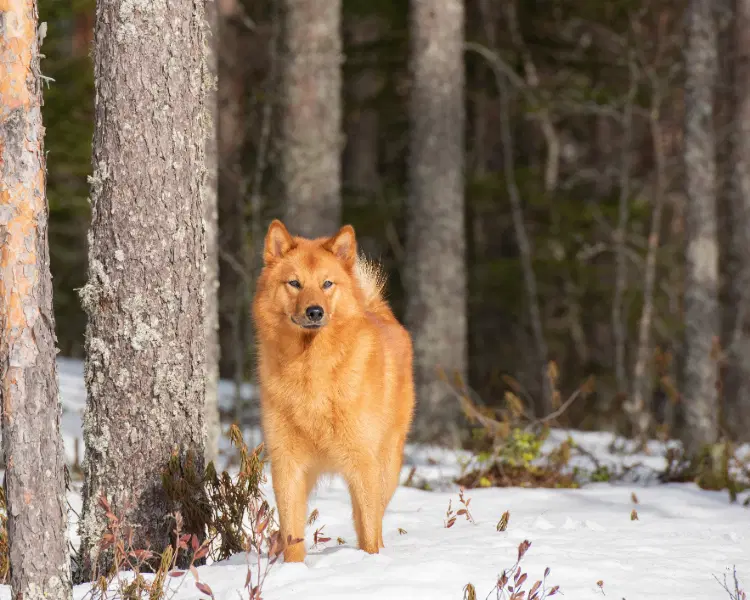
Paw wax is a protective balm you rub onto your dog's paw pads to create a barrier against ice-melt salt, snow, dirt, and rough ground. According to PetMD, wax and balm products can be a good substitute for dog booties because they put a barrier between your dog's paws and the elements.¹ Paw wax has limits, though. It won't protect against sharp ice, and it may not prevent burns on the hottest pavement.
Paw Wax vs. Paw Balm vs. Dog Booties
Paw wax and paw balm are similar, and some products work as both. Wax-based products focus on protection, while softer balms focus on moisturizing dry or cracked pads. Here's how they compare with booties:
Option | What it does | Best for | Limits |
|---|---|---|---|
Paw wax | Forms a protective barrier on the pads | Salted sidewalks, snow, rough trails | Won't stop sharp ice or extreme heat |
Paw balm | Moisturizes and softens dry pads | Dry, cracked pads at home | Less protective during walks |
Dog booties | Covers the whole paw | Snow, ice, salt, and hot surfaces | Some dogs need time to get used to them |
Dog snow boots are the most reliable way to protect paws in winter, according to PetMD.² Paw wax is a good option for dogs that won't keep booties on.
Does Paw Wax Work for Dogs?
Paw wax can help, but it isn't a force field. PetMD notes that paw balms won't protect dogs from sharp ice, but they form a protective barrier against dampness and chemicals. They also help keep snow from clumping between paw pads and toes.² That can make winter walks more comfortable, especially on sidewalks treated with ice melt.
In summer, wax offers less protection than you might expect. Paw wax may not protect dogs from burns on the hottest days, according to PetMD. Even when the air is 86 F, road surfaces can reach 135 F.³ On hot days, the best protection is walking early or late and sticking to grass and shade.
When Should You Use Paw Wax on Your Dog?
Paw wax is most useful when your dog's paws face harsh surfaces:
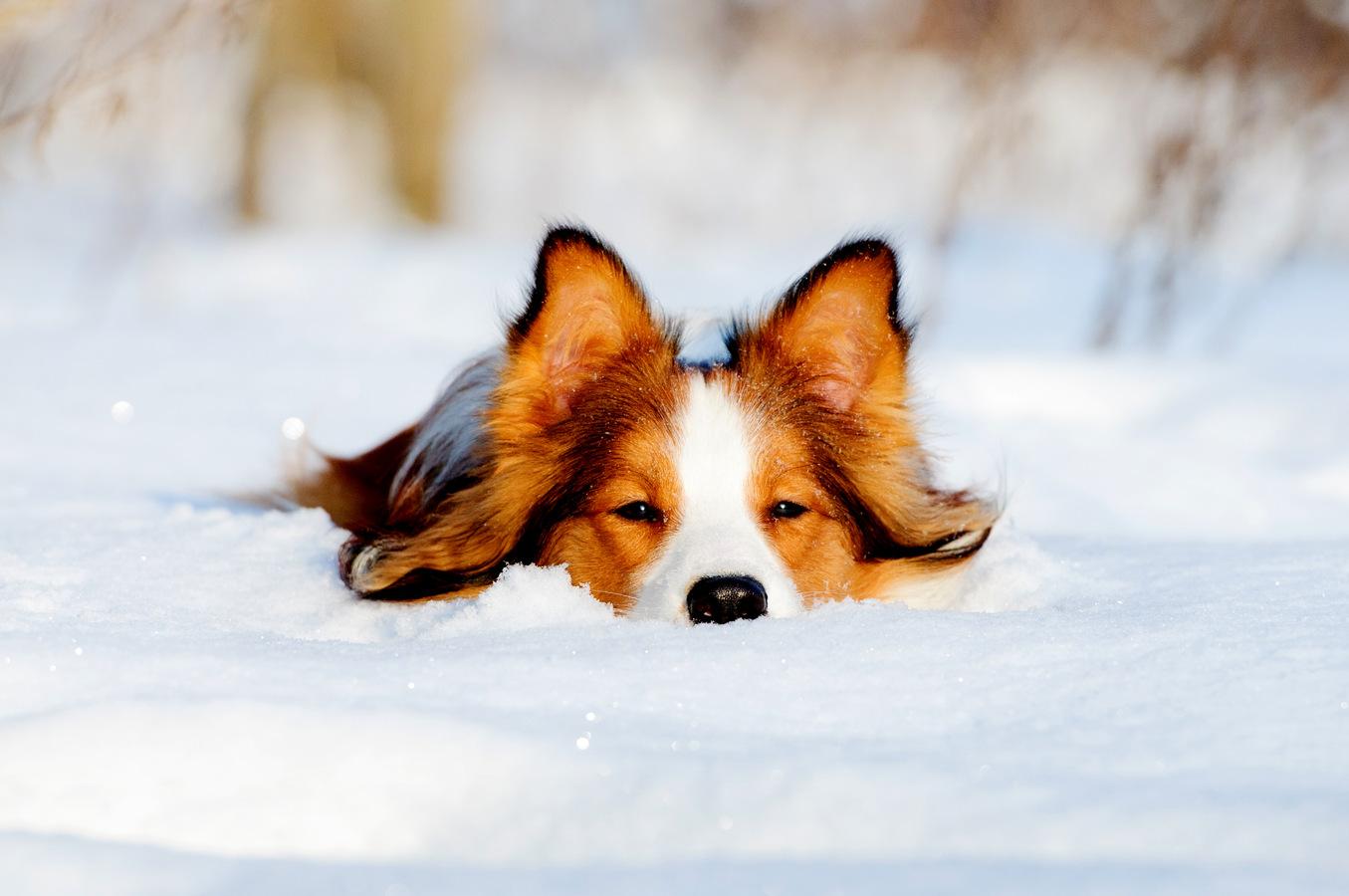
Winter walks. Ice-melt salt and snow can irritate and dry out paw pads. Wax adds a layer of protection, and wiping paws after walks helps remove salt your dog might lick off later. Learn more about salt poisoning in dogs.
Dry indoor air. The American Kennel Club notes that dry air at home and cold air outside can cause paws to crack, and suggests a soothing paw balm or protective paw wax to help prevent problems.⁴
Rough terrain. Gravel, rocky trails, and sand can wear down pads, especially on long hikes.
Warm pavement. Before a summer walk, try PetMD's test: press the palm of your hand on the pavement for seven seconds. If it's too hot for you, it's too hot for your dog.³
How Do You Apply Paw Wax to Your Dog's Paws?
Applying paw wax only takes a minute:
Start with clean, dry paws. Wipe away dirt and make sure the pads are dry.
Trim long fur between the pads. This helps the wax reach the pads and keeps snow from clumping.
Apply a thin layer. Rub the wax on and between your dog's paw pads, between the toes, and on the fur on the sides of the feet. PetMD suggests doing this outdoors or in a garage, since waxy paws can mark floors.²
Let it set. Give the wax a minute to soak in before you head out.
Reapply as needed. You may need to reapply on long outings.
Clean paws after walks. Wipe or rinse your dog's paws with warm water to remove salt, chemicals, and dirt.
Freshly waxed paws can be slippery on smooth floors, so take care with senior dogs and on stairs.
Is Paw Wax Safe if Your Dog Licks It?
Dogs often lick their paws, so choose a product made for dogs with simple ingredients. Most paw waxes use natural waxes, plant oils, and butters. A few ingredients deserve extra caution:
Essential oils. Many essential oils are poisonous to dogs, including tea tree, cinnamon, citrus, peppermint, pine, and wintergreen. Both swallowing them and skin contact can be toxic, according to VCA Animal Hospitals.⁵
Vaseline. PetMD advises against using Vaseline on dog paws because licking it off can cause stomach upset.
Coconut oil. PetMD advises against coconut oil on cracked paws because swallowing it can cause stomach upset or pancreatitis.¹
If your dog seems to lick their paws constantly, something else may be going on. Here's why your dog may be licking their paws.
When Do Your Dog's Paws Need a Vet?
Paw wax is for prevention, not treatment. If your dog licks their pads or limps, they may have a torn, punctured, or burned pad. Even minor foot pad injuries can be stubborn, so VCA advises taking your dog to a vet.⁶ See your vet if you notice:
Bleeding cracks or cuts
Swelling or blisters
Limping or not wanting to walk
Constant licking or chewing of the paws
Discolored pads or exposed tissue under a pad
If you can't stop bleeding within 10 to 15 minutes, it's an emergency, according to VCA.⁶
Frequently Asked Questions
Is paw wax or booties better for dogs?
Booties offer the most protection, since they enclose the whole paw and guard against snow, ice, salt, and hot surfaces. But many dogs don't like wearing them. Paw wax is a good option for those dogs, especially on salted sidewalks and snowy walks. Some pet parents use both: wax for short walks and booties for long or very cold outings.
Can I put Vaseline on my dog's paws?
It's best not to. Dogs tend to lick their paws, and swallowing Vaseline can upset their stomach.¹ A wax or balm made for dogs is a safer choice. If your dog's pads are dry or cracked and home care isn't helping, ask your vet which product to use or whether something else, like allergies, may be causing the problem.
Can I make homemade paw wax for my dog?
You can, but keep the ingredients simple and dog-safe. Never add essential oils, since many are toxic to dogs even on the skin.⁵ Skip coconut oil too, because it can cause stomach upset if your dog licks it off. If you're unsure about an ingredient, check with your vet before you use a homemade wax.
How often should I put paw wax on my dog?
Apply paw wax before walks on salted, snowy, or rough surfaces. On long outings, you may need to reapply partway through. For dry or cracked pads at home, a moisturizing balm a few times a week may help. Check your dog's paws after every walk for cracks, redness between the toes, or signs of injury.
Coverage flexibility matters when it comes to helping protect your pet's health. From emergencies to routine wellness visits, the right pet insurance plan and add-ons can help support a wide range of care needs.
With Spot Pet Insurance, pet parents can visit any licensed veterinary clinic in the U.S. or Canada, giving them more freedom to choose the care that works best for their pet. Every plan also includes access to a 24/7 pet telehealth helpline for added support. Get a free quote.

We’re pet parents first—and writers, marketers, and product developers by trade—combining lived experience with industry expertise in everything we create.
Morrison, Barri. "Cracked Dog Paws? Common Causes and How to Care for Your Pup's Cracked and Dry Paws." PetMD, November 14, 2024. https://www.petmd.com/dog/general-health/cracked-dog-paws
Coates, Jennifer. "How To Protect Your Dog's Paws in the Winter." PetMD, updated December 18, 2024. https://www.petmd.com/dog/care/how-to-protect-dog-paws-in-winter
PetMD. "How To Protect Dog Paws in Summer." PetMD, updated June 12, 2026. https://www.petmd.com/dog/general-health/how-to-protect-dog-paws-summer
American Kennel Club. "How to Clean and Care for Your Dog's Paws." AKC, updated March 18, 2026. https://www.akc.org/expert-advice/health/clean-dog-paws/
VCA Animal Hospitals. "Essential Oil and Liquid Potpourri Poisoning in Dogs." VCA, updated July 22, 2026. https://vcahospitals.com/know-your-pet/essential-oil-and-liquid-potpourri-poisoning-in-dogs
VCA Animal Hospitals. "First Aid for Torn or Injured Foot Pads in Dogs." VCA, last updated June 20, 2024. https://vcahospitals.com/know-your-pet/first-aid-for-torn-or-injured-foot-pads-in-dogs