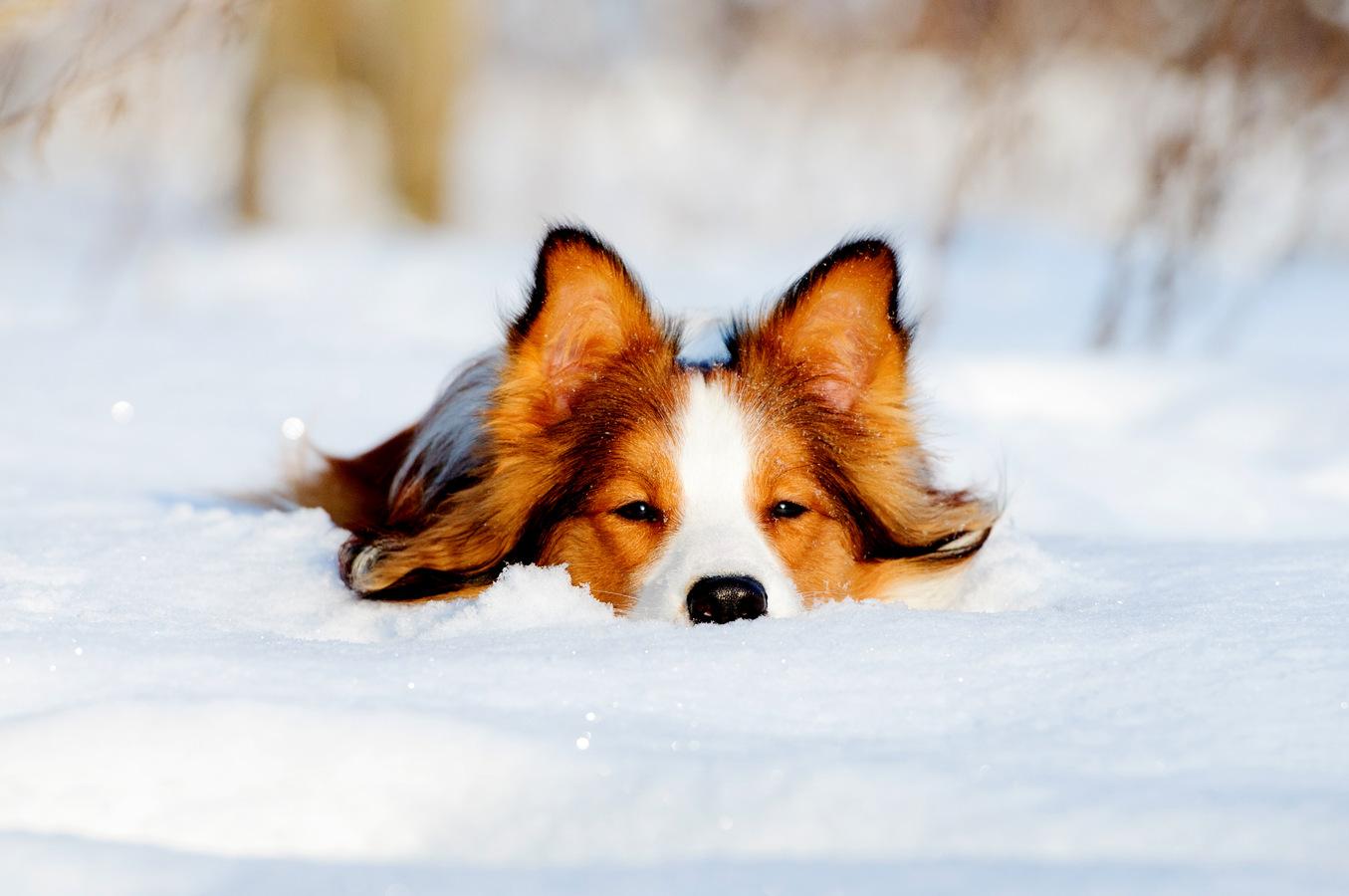
Yes, dog boots are a smart choice for snowy weather. According to PetMD, snow boots are the most reliable way to protect a dog's paws in winter, forming a nearly impenetrable barrier against sharp ice, snow, dampness, and chemicals.¹ At or below freezing, it's a good idea to protect your dog's paws with boots. Not every dog needs them for every walk, but they can make a big difference on icy, salty sidewalks.
Do Dogs Need Boots in the Snow?
Dogs don't always need snow boots, but many benefit from them. Cold, wet snow can lead to dryness, cracked pads, and in extreme cases, frostbite. PetMD notes that at temperatures at or below freezing, paws should be protected with boots, since ice and snow can get trapped between the pads and cause wounds.¹
Snow boots also help with:
Ice-melt salt. Deicers can irritate paws, and dogs may lick them off later. Learn more about salt poisoning in dogs.
Ice balls. Snow can clump between the toes of long-haired dogs.
Traction. Nonslip soles can help prevent slips and falls on ice.
Not sure how much cold your dog can take? Here's a guide to how cold is too cold for dogs.
Which Dogs Benefit Most From Snow Boots?
Some dogs handle winter better than others. Small, delicate, and short-haired dogs, even large ones like Greyhounds, need extra winter gear, according to the American Kennel Club.² Very young and very old dogs also have a harder time regulating their body temperature. Boots are especially helpful for:
Small and toy breeds
Short-haired breeds
Puppies and senior dogs
Dogs with long hair between their toes
Dogs that walk on salted sidewalks
Dogs with health conditions that reduce blood flow to their paws
Heavy-coated northern breeds tend to handle snow well, but even they can benefit from boots on salty or icy surfaces.
What Should You Look for in Dog Boots for Snow?
There's no one-size-fits-all boot. The AKC suggests looking for these features:³
Feature | Why it matters |
|---|---|
Adjustable straps | Keep boots snug and secure so they don't slip off in deep snow |
Nonslip soles | Grooved soles give better traction on ice and slick sidewalks |
Insulation | A warm lining helps protect paws when temperatures drop below 32 F |
Water-resistant material | Keeps paws dry, since trapped moisture can lead to skin problems |
Reflective strips | Help you and your dog stay visible on dark winter walks |
PetMD also suggests avoiding latex or rubber boots for everyday winter wear, since they can trap moisture and cause itchy paws.¹ Boots should fit snugly but comfortably.
How Do You Measure Your Dog for Boots?
The AKC suggests an easy at-home method:³
Make a paw print. Press your dog's paw onto a piece of paper while they're standing, so the foot spreads the way it does when walking.
Trace it. Outline the paw with a pen or pencil.
Measure the widest part. Use that width to pick a size from the boot's sizing chart.
Do a test run. Have your dog wear the boots indoors. Check whether their paws stay in, whether the soles grip, and whether the boots fit the shape of their feet.
Measure more than one paw to make sure you choose the right size.
How Do You Get Your Dog Used to Wearing Boots?
Some dogs don't mind boots, while others need time. The AKC suggests positive reinforcement:³
Let your dog sniff the boots. Pair them with praise and high-value treats.
Start with one boot. Add the others once your dog gets used to the feeling.
Practice indoors. Begin with short sessions, then gradually add time.
Watch for stress. If your dog seems uncomfortable, check the fit and slow down.
Expect some funny high-stepping at first. With patience, most dogs adjust.
How Do You Care for Your Dog's Paws After a Snowy Walk?
Take your dog's boots off once you're back inside. Leaving them on too long can make paws uncomfortably warm and can cause painful pressure sores, according to PetMD.¹ Clean the outside of the boots daily to remove salt and grime.
Then check your dog's paws. Rinse off any salt with warm water, and keep the fur between the pads trimmed so ice can't collect there. If your dog keeps licking their feet after walks, here's why dogs lick their paws.
Watch for signs of frostbite, too. The paws, ears, and tail are the most commonly affected areas, especially when a dog is wet. Signs include pale, gray, or bluish skin, pain, swelling, and blisters, according to VCA Animal Hospitals.⁴ If you suspect frostbite, move your dog somewhere warm and call your vet right away. Don't rub the area or use a heating pad or hair dryer.
Frequently Asked Questions
Can dogs walk in snow without boots?
Many dogs can handle short walks in the snow without boots, especially heavy-coated breeds. But snow, ice, and salt can still irritate paws, and at or below freezing, protecting paws is a good idea.¹ If you skip boots, keep walks short, trim the fur between the pads, and wipe your dog's paws when you get home.
Are dog boots bad for dogs?
Dog boots aren't bad when they fit well and are used properly. Problems usually come from boots that are too tight, too loose, or left on too long, which can cause rubbing or pressure sores. Choose an adjustable, breathable boot, introduce it slowly, and take it off when you're back inside. Check your dog's paws for redness after each walk.
Why does my dog walk funny in boots?
It's normal for dogs to lift their feet high or walk stiffly the first few times they wear boots. The new feeling takes some getting used to. Short indoor practice sessions with treats and praise help most dogs adjust. If your dog still seems uncomfortable after a few tries, the boots may not fit well, so recheck the size.
Are boots or paw wax better for snow?
Boots offer the most protection because they enclose the whole paw and form a barrier against ice, snow, and salt. Paw wax is a good option for dogs that won't wear boots, but it won't protect against sharp ice. Some pet parents use paw wax for quick walks and boots for longer outings or very cold days.
Pet insurance can help pet parents feel more prepared for life's unexpected vet visits. From unexpected accidents and illnesses to diagnostics and treatment, having a plan in place can help make the cost of covered care more manageable when it matters most.
Spot Pet Insurance offers customizable plans for dogs and cats, including accident-only and accident & illness coverage. Pet parents can choose from flexible reimbursement rates, deductibles, and annual limits to build a plan that fits their budget. Every plan also includes coverage for microchip implantation and access to a 24/7 telehealth helpline for added peace of mind. Get a free quote.

We’re pet parents first—and writers, marketers, and product developers by trade—combining lived experience with industry expertise in everything we create.
Coates, Jennifer. "How To Protect Your Dog's Paws in the Winter." PetMD, updated December 18, 2024. https://www.petmd.com/dog/care/how-to-protect-dog-paws-in-winter
American Kennel Club. "How to Keep Your Dog Warm and Safe This Winter." AKC, updated January 14, 2026. https://www.akc.org/expert-advice/health/keep-dog-warm-winter-safety-tips/
American Kennel Club. "Best Dog Boots for Any Weather." AKC, updated November 13, 2025. https://www.akc.org/expert-advice/lifestyle/dog-boots/
VCA Animal Hospitals. "Frostbite in Dogs." VCA, last updated June 11, 2024. https://vcahospitals.com/know-your-pet/frostbite-in-dogs