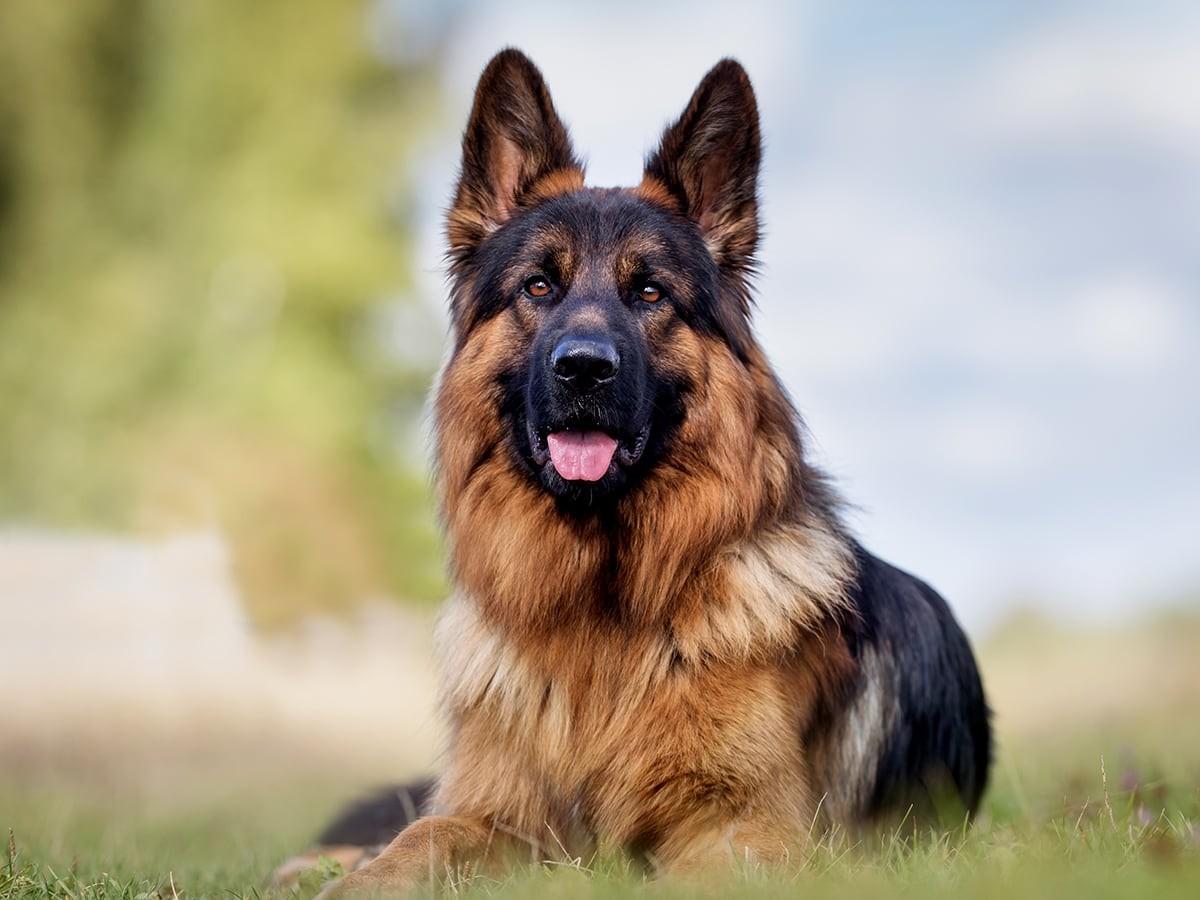
The best large dog breeds for a home with a yard include the Labrador Retriever, German Shepherd, Doberman Pinscher, Belgian Malinois, Great Dane, Great Pyrenees, and Anatolian Shepherd. These big dogs have the size and energy to make great use of outdoor space, as long as your yard has a secure fence and your dog still gets daily walks.
What Are the Best Big Dog Breeds for a House With a Yard?
Here's how seven yard-loving large breeds compare, based on their American Kennel Club breed profiles:¹
Breed | Weight | Life expectancy | AKC energy level |
|---|---|---|---|
55–80 lb | 11–13 years | 5 of 5 | |
50–90 lb | 12–14 years | 5 of 5 | |
60–100 lb | 10–12 years | 5 of 5 | |
40–80 lb | 14–16 years | 4 of 5 | |
110–175 lb | 7–10 years | 4 of 5 | |
85 lb and up | 10–12 years | 3 of 5 | |
80–150 lb | 11–13 years | 3 of 5 |
A higher energy score means a dog needs more daily exercise. If you work long hours or prefer quiet evenings, a breed with a score of 3 may be a better fit than a 5.
A Closer Look at Each Breed
Labrador Retriever
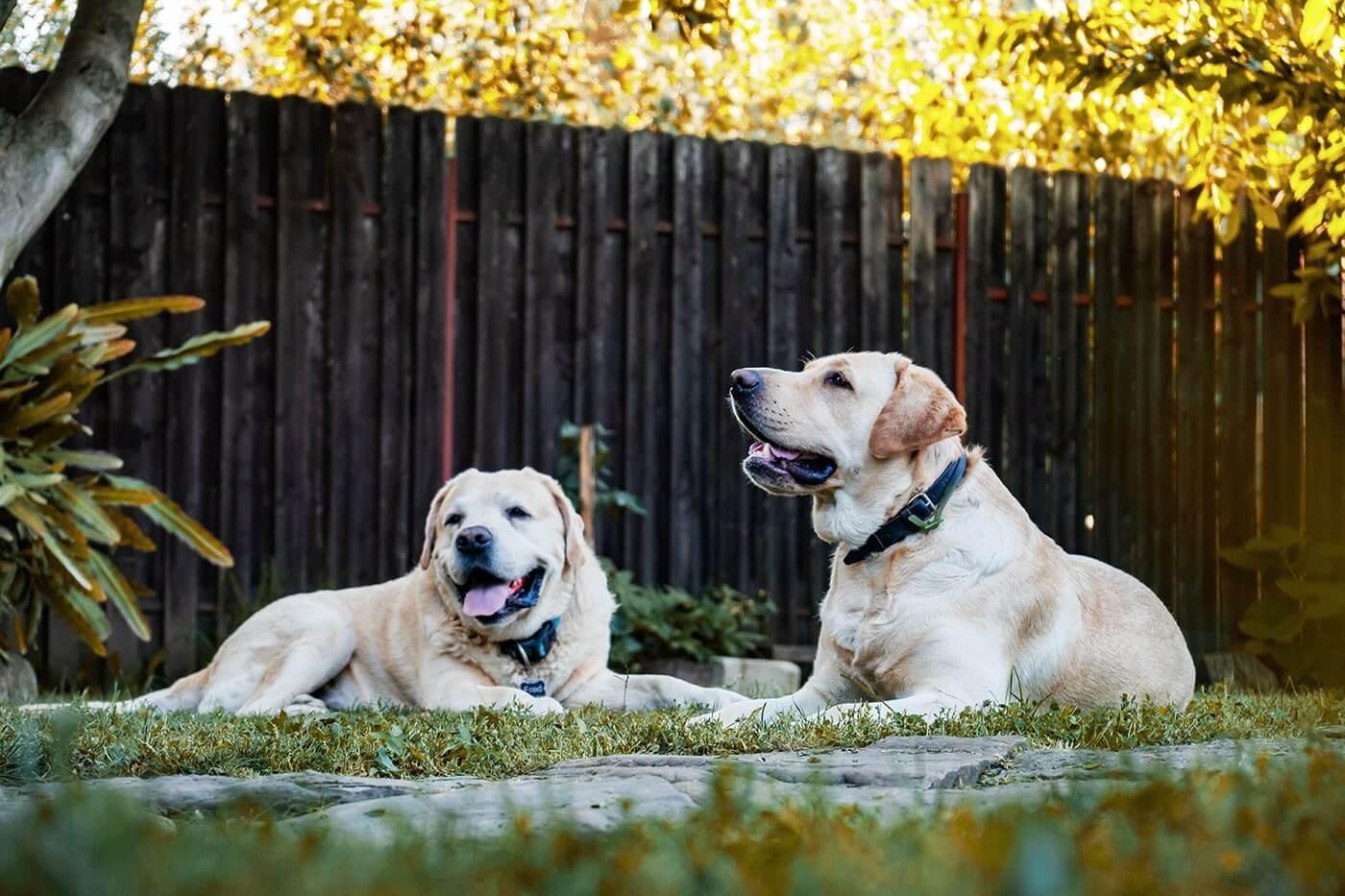
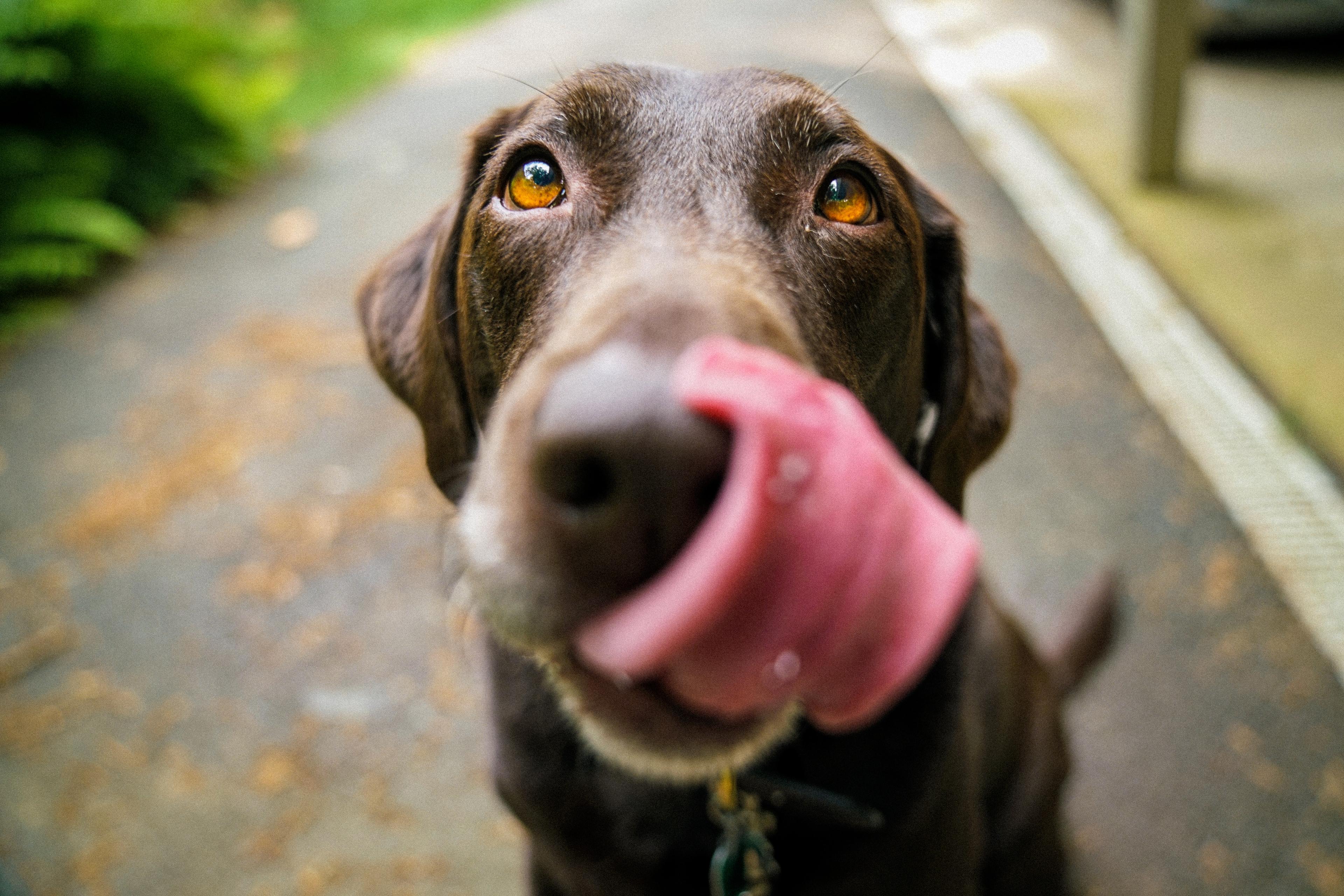
Labs are friendly, easy to train, and happiest with a job to do, like fetching in the backyard. They love water, so keep an eye on them around pools.
German Shepherd
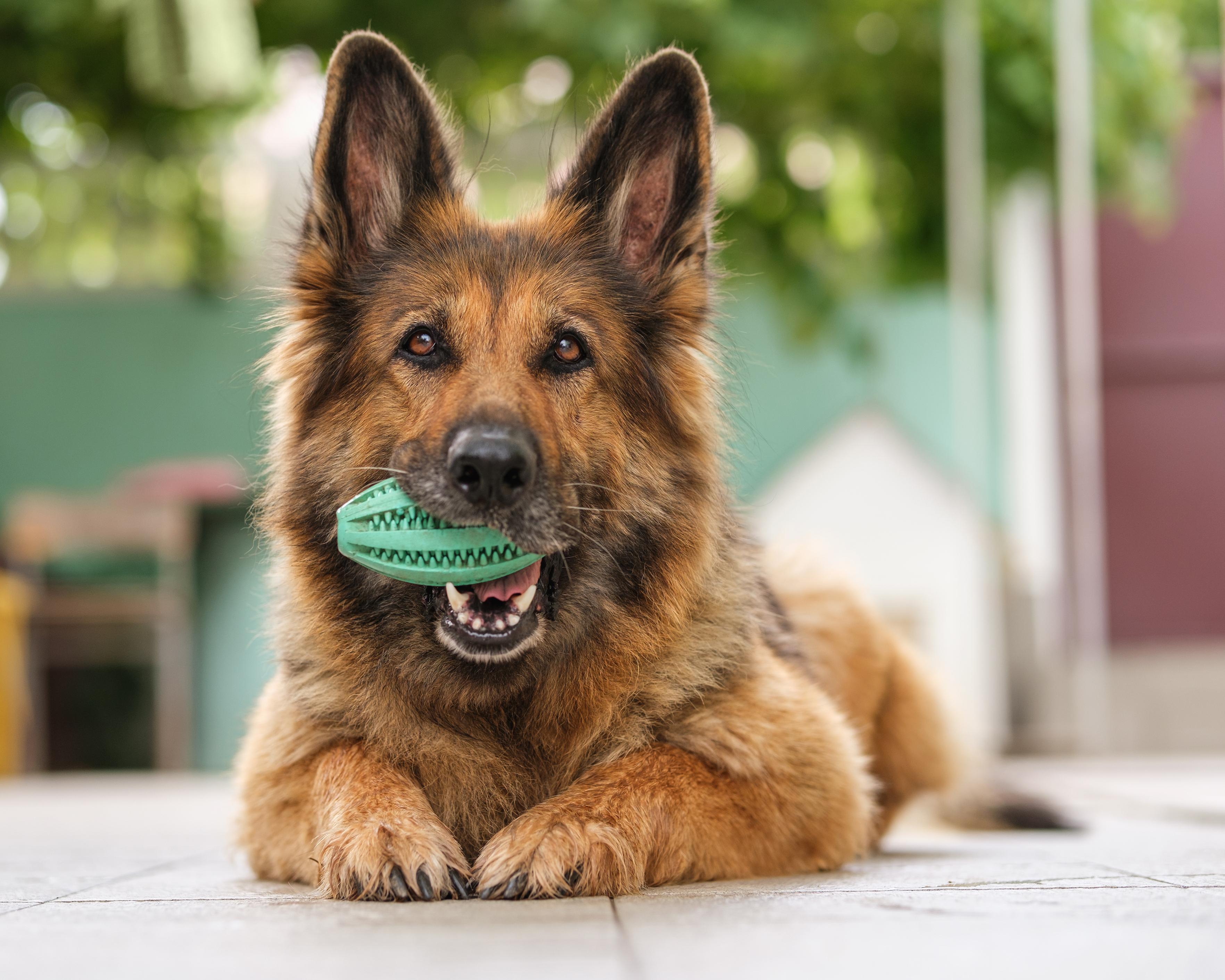
German Shepherds are smart, loyal, and protective of their families. They need daily training and exercise to stay happy, and a yard gives them room to work off energy between walks.
Doberman Pinscher
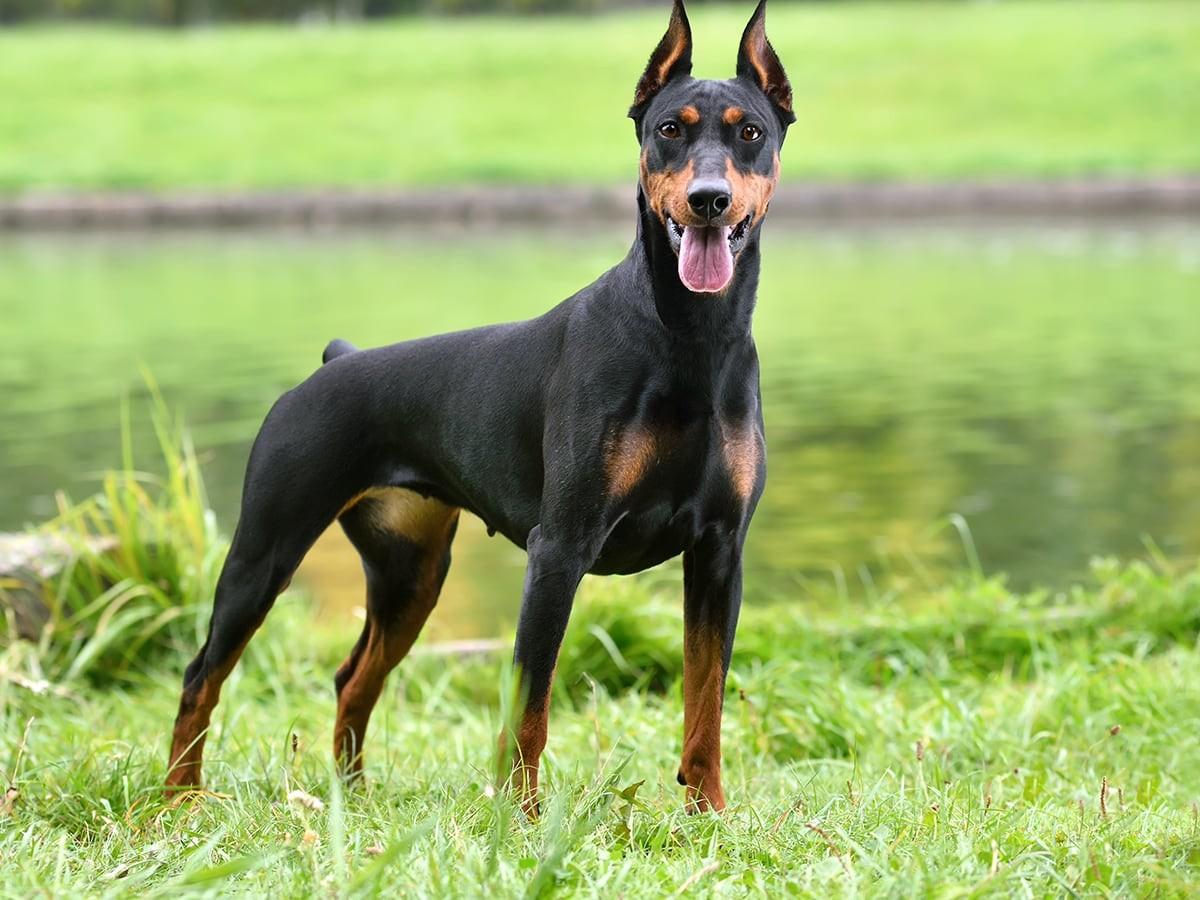
Dobermans are alert, athletic, and devoted. The AKC says a large fenced area where they can run is vital for their physical and mental well-being.¹
Belgian Malinois
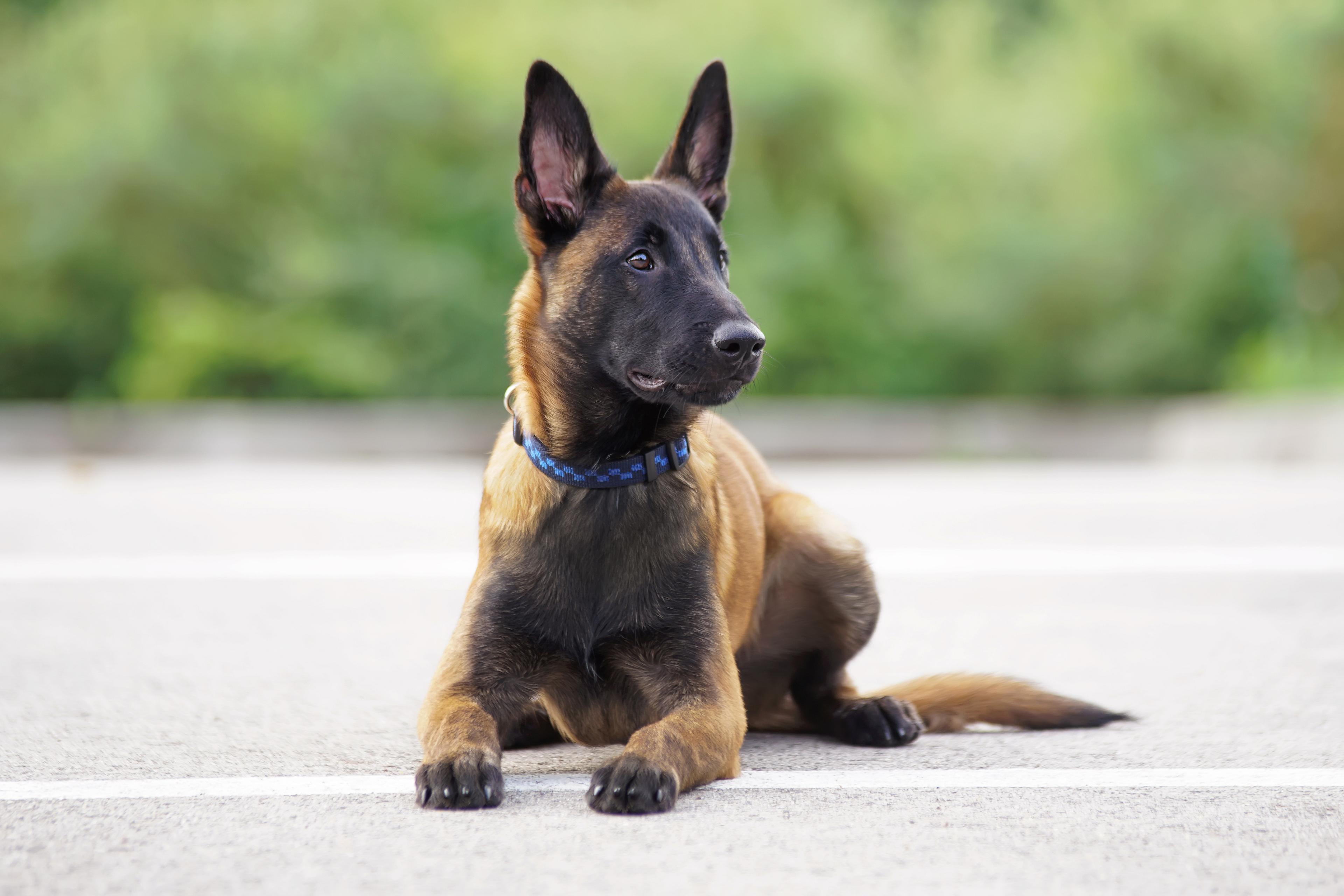
The Malinois is a high-drive working dog that thrives with an experienced pet parent. It needs lots of exercise and mental challenges, and it's quick enough to test any gap in your fence.
Great Dane
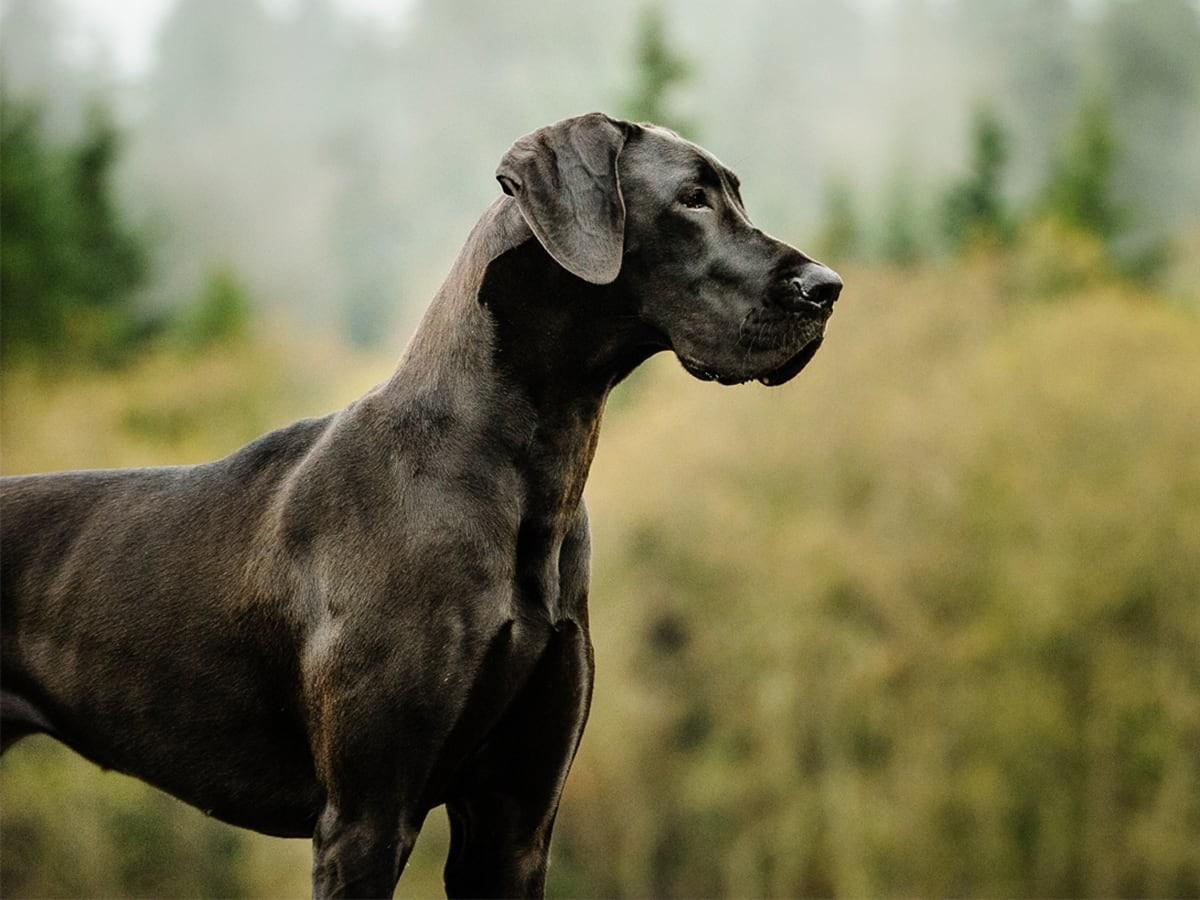
Great Danes are gentle giants that are surprisingly calm indoors. According to the AKC, they tend to follow a scent wherever it leads, so they should only be off leash in areas secured with a tall fence.¹
Great Pyrenees
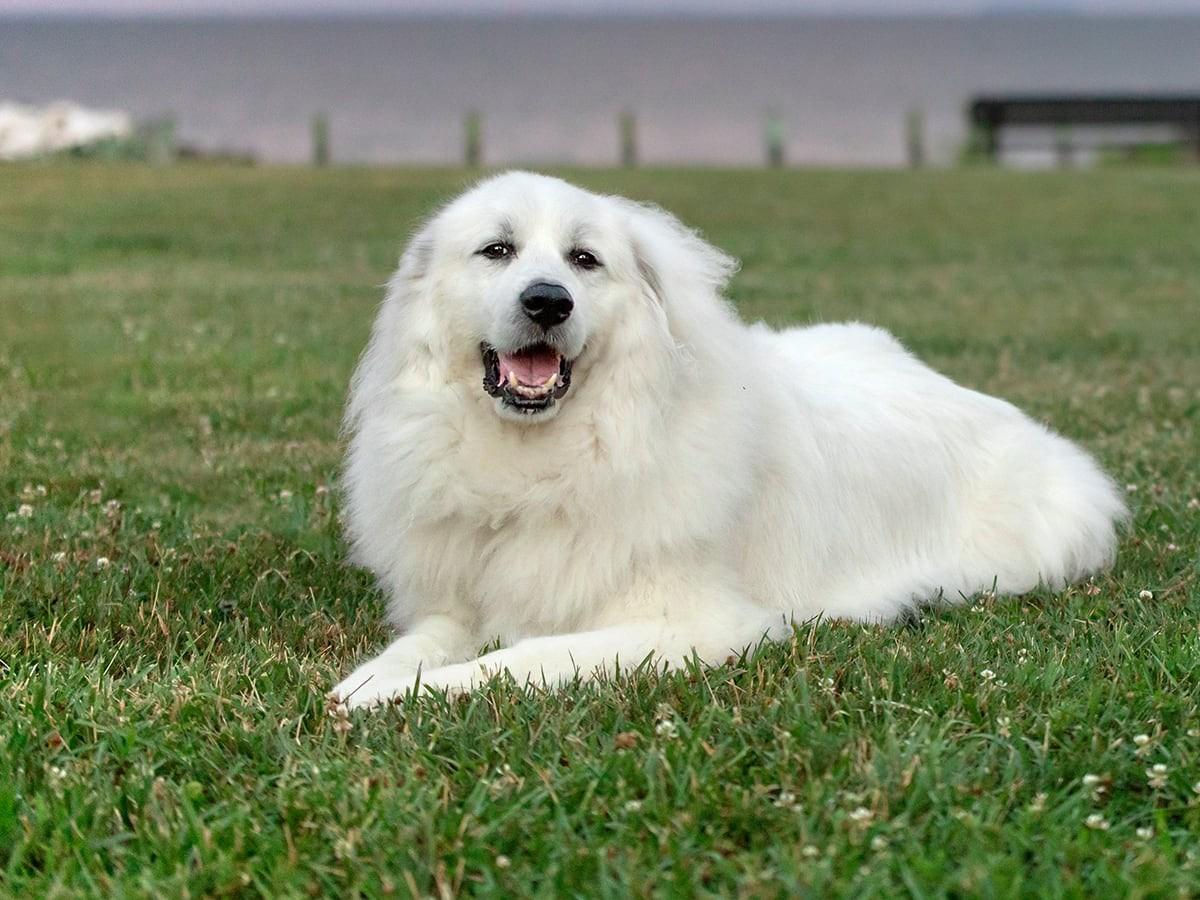
Great Pyrenees are calm, patient guardians bred to watch over livestock. They enjoy lounging outside and patrolling their territory, and they tend to be independent.
Anatolian Shepherd
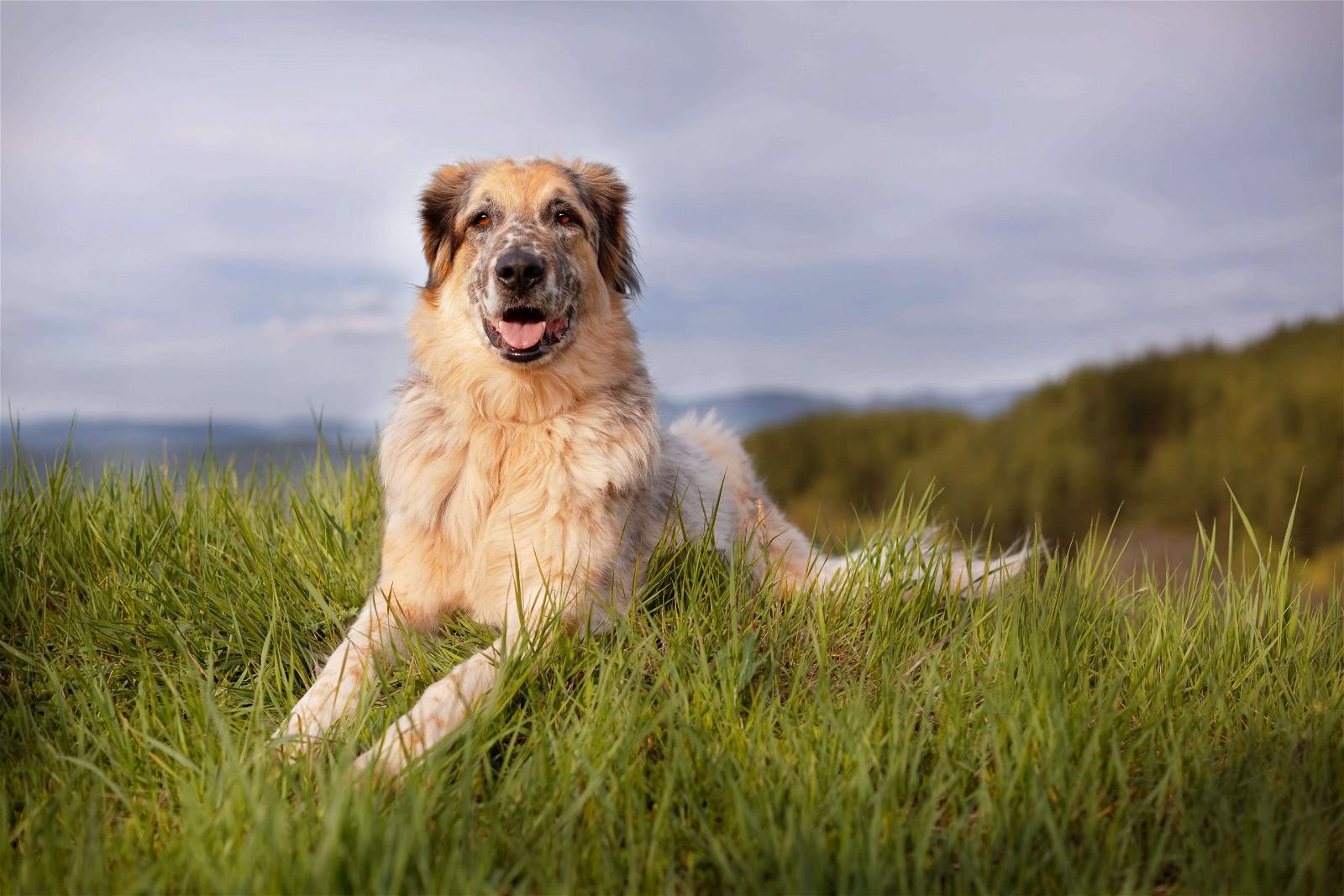
Anatolians are powerful, protective guardian dogs. The AKC notes they'll be happy with time in a yard, as long as it has a tall, strong fence and a locked gate, plus a long walk once or twice a day.¹
How Should You Fence Your Yard for a Large Dog?
A secure fence is one of the best investments you can make for a big dog. The AKC's guide to dog fences notes that an enclosed yard with a secure gate keeps diggers, climbers, and jumpers from escaping.²
Keep these tips from the AKC's fence and yard safety guides in mind as you plan your fence:³
Go tall. Athletic jumpers need a fence they can't clear. Consider adding height or coyote rollers along the top.
Block digging. Install strips of metal, cement, or large rocks one to two feet below the fence line to stop diggers.
Skip the ladder. Open horizontal slats can give dogs a foothold to climb over.
Secure the gate. Self-closing gates help keep your dog in when guests or delivery drivers come and go.
If your dog keeps tunneling under the fence, learn more about why dogs dig holes and how to redirect the habit.
How Do You Make Your Yard Safe for a Big Dog?
A new yard can come with hidden hazards. Pets were exposed to more than 376,000 items reported to ASPCA Animal Poison Control in 2025, and plants and fungi made up 7.5% of those exposures.⁴
Walk your yard with these risks from the AKC's yard safety guide in mind:³
Mulch: Cocoa bean mulch is the worst offender. Pine straw is a pet-safe alternative.
Lawn products: Let pesticides dry completely before your dog goes back on the lawn, and avoid slug and snail bait.
Plants: Rhododendrons and azaleas are toxic to dogs in every part of the plant.
Pools: Fence off your pool when you can't supervise, since drowning is a real risk.
If you think your dog ate something toxic, call your vet or ASPCA Animal Poison Control at (888) 426-4435.⁴
How Do You Set Up a New Home for a Large Dog?
Moving is a big change for a dog, and a large dog needs room to settle in. A few steps can help:
Update ID right away. Put your new address on your dog's tags and microchip record.
Create a quiet space. Set up a crate or bed in a calm corner before moving day.
Add traction. Rugs on slick floors help big dogs, especially seniors, avoid slips.
Find a new vet. Book a checkup and transfer your dog's records.
Keep routines steady. Stick to regular meal and walk times while your dog adjusts.
If you already have pet insurance, find out what happens to your pet insurance when you move.
What Should You Budget for a Big Dog?
Large dogs eat more food, need bigger beds and crates, and often need higher medication doses. Giant breeds like the Great Dane also have shorter lifespans and can be prone to issues like bloat and joint problems. Our guide to pet insurance for large dogs explains how coverage can help with big-dog vet bills.
Frequently Asked Questions
Do large dogs need a big yard?
Not necessarily. A yard gives big dogs a safe place to play, but it doesn't replace walks, training, and time with you. Even guardian breeds like the Anatolian Shepherd do best with yard time plus a long walk once or twice a day.¹ A smaller yard can work well if you commit to daily exercise.
Which big dogs are most likely to escape the yard?
Scent hounds and high-drive dogs are common escape artists. Great Danes tend to follow their noses, and athletic breeds like the Belgian Malinois can climb or jump low fences.¹ Diggers may tunnel under the fence line. A tall fence, a buried barrier, and a self-closing gate help keep most big dogs safely inside.
What is the calmest big dog breed for a yard?
The Great Pyrenees and Anatolian Shepherd both score a 3 out of 5 for energy in their AKC profiles, lower than breeds like the Lab or German Shepherd.¹ Both are calm guardian breeds that enjoy watching over their yard. They're independent, though, so they still need training, a secure fence, and daily walks.
How much exercise does a large dog need?
It depends on the breed. High-energy dogs like Labs, German Shepherds, and Dobermans usually need vigorous exercise every day, such as long walks, runs, or games of fetch. Calmer breeds like the Great Pyrenees need less, but still benefit from daily walks. Ask your vet what's right for your dog's age and health.
Coverage flexibility matters when it comes to helping protect your pet's health. From emergencies to routine wellness visits, the right pet insurance plan and add-ons can help support a wide range of care needs.
With Spot Pet Insurance, pet parents can visit any licensed veterinary clinic in the U.S. or Canada, giving them more freedom to choose the care that works best for their pet. Every plan also includes access to a 24/7 pet telehealth helpline for added support. Get a free quote.

We’re pet parents first—and writers, marketers, and product developers by trade—combining lived experience with industry expertise in everything we create.
American Kennel Club. "Dog Breeds" breed profiles (Labrador Retriever, German Shepherd Dog, Doberman Pinscher, Belgian Malinois, Great Dane, Great Pyrenees, Anatolian Shepherd Dog). AKC, updated 2026. https://www.akc.org/dog-breeds/
Gewirtz, Elaine Waldorf. "What Type of Dog Fence Is Best for Me and My Dog?" American Kennel Club, updated January 12, 2026. https://www.akc.org/expert-advice/home-living/types-dog-fences/
American Kennel Club. "Yard Safety: Keeping Your Dog Safe Outside." AKC, updated February 25, 2026. https://www.akc.org/expert-advice/home-living/yard-safety/
ASPCA. "The Top 10 Toxins of 2025." ASPCA, March 15, 2026. https://www.aspca.org/news/top-10-toxins-2025