Just like with gym routines, rest matters, and dogs need it too. When we’re working through behavior issues, it’s easy to fixate on getting there as quickly as possible. What we often miss is that dogs need time to slow down and process what they’re learning.
Diminishing Returns
With anything, lack of rest will inevitably lead to burnout (for both you and your dog). But not only that, you will begin to hit diminishing returns; in other words, your dog isn’t learning as well because they’re not taking ample time to rest.
Corresponding reps become less meaningful, frustration builds, the fun dissipates, and that’s not what builds lasting progress.
Clarity Over Quantity
Sometimes it’s not about how many repetitions you do, but how clearly each rep helps your dog understand what you’re asking of them.
A few example questions to ask yourself to determine where you’re training are:
Do my repetitions have clear markers (i.e., “Good”, “Yes”, etc.) so that my dog understands precisely what behavior or action I’m rewarding?
Are my repetitions leading to improved reliability?
Am I challenging my dog at their pace? Or did we move on too quickly, and before they feel comfortable?
Choose an Activity That You & Your Dog Can Enjoy
Not every outing needs to feel like training. Connection, trust, and relationship all matter equally.
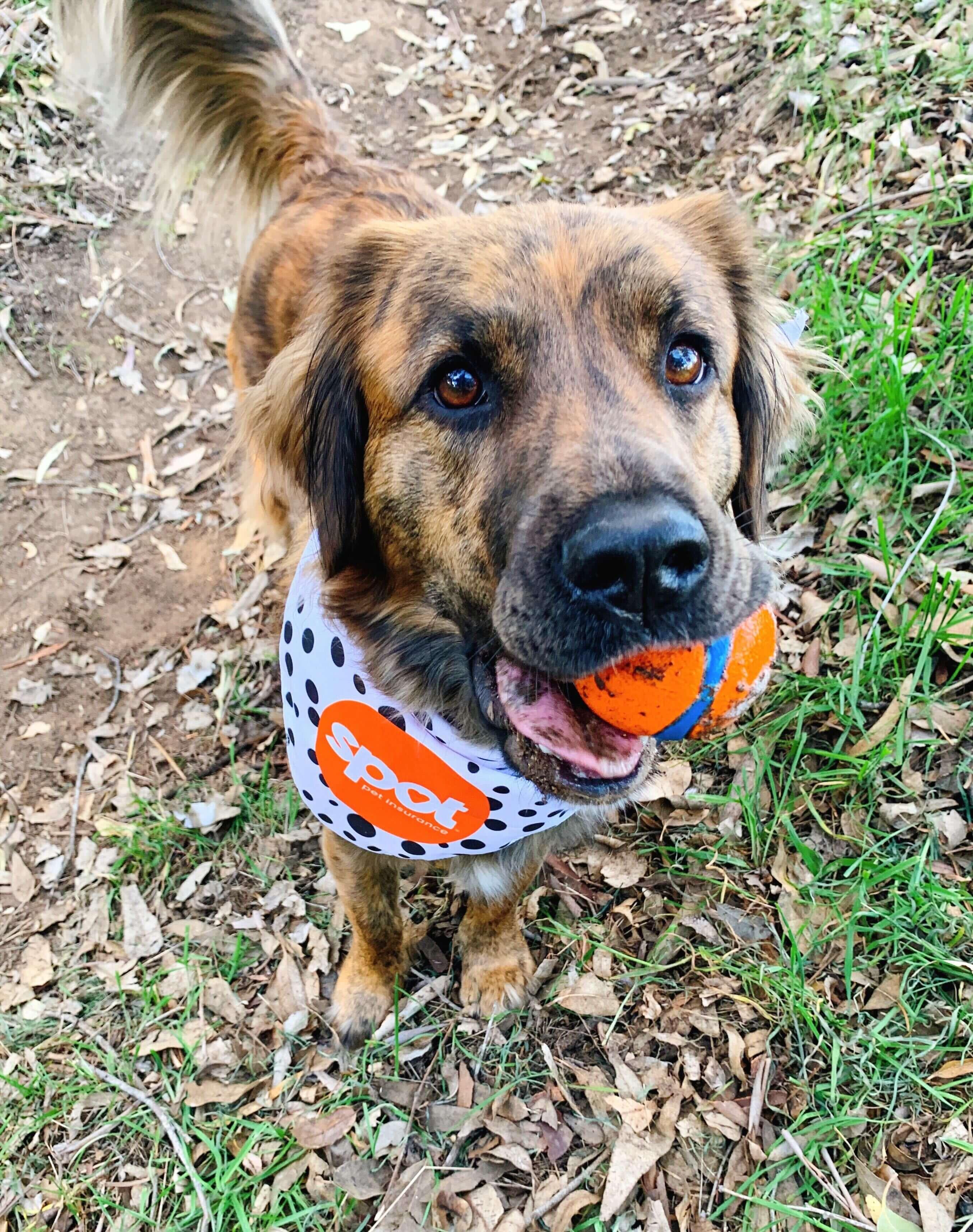
Does your dog enjoy playing ball, frisbee, or perhaps just exploring and sniffing around? Whichever it is, these breaks allow for your future training to resonate at a greater level. You’ll enjoy it more, and so will your dog.
In Closing
Always make sure you’re taking time for yourself and giving your dog equal opportunities to rest, play, and explore.
Training has a time and a place,e but don’t let it ruin the reason you got your dog in the first place: to love and enjoy them 🤍
If this resonated and you want help applying it with your dog, reach out anytime: info@hopegablescanine.com🐕✨
Nicolas Angione is the founder and head dog trainer at Hope Gables Canine, based in Fairfield County, CT. Inspired by his own dog's reactive journey and rehabilitation, he left his career behind to become a dog trainer. After years of shadowing other dog trainers in the industry, he started his own practice, which has successfully helped hundreds of dog owners, both domestic and abroad, regain peace and harmony with their dogs. Many of these success stories, dog training tips, and more can be found on their Instagram and YouTube pages.