The best way to prepare your dog for boarding or a pet sitter is to start a few weeks early. Confirm your dog's vaccines, practice crate time, set up a meet-and-greet or trial stay, and leave clear written instructions with emergency contacts. Most boarding kennels require proof of rabies, distemper, parvovirus, and Bordetella (kennel cough) vaccines, according to VCA Animal Hospitals.¹ A little planning helps your dog settle in faster and lets you enjoy your trip.
Holiday Boarding Prep Timeline
Use this timeline to stay on track before your holiday trip:
When | What to do |
|---|---|
A month or more before | Ask your kennel or sitter which vaccines they require, and book early for the holidays |
2 to 4 weeks before | Schedule any needed vaccines, practice crate time, and set up a meet-and-greet or trial stay |
The week before | Gather vaccine records, write care instructions, and fill out a vet authorization |
Drop-off day | Pack food, medications, ID, and a comfort item, and keep goodbyes calm |
1. Practice Your Dog's Crate Command
Even if your dog is staying with a friend or family member, plans can change. If your sitter can't care for your dog, your dog may need to be crated or go to a boarding kennel. Practicing crate training ahead of time sets your dog up for success and lowers stress for both of you.
Keep it simple to start:
Stand about a foot away from the crate.
Give a short verbal cue, like "Crate."
Guide your dog in with the leash if needed.
Mark the moment with "Good," then reward.
Release your dog with "Free" or another release cue.
Repeat.
Once your dog responds reliably, practice longer stays in the crate before releasing them. Any practice helps your dog build a positive connection with the crate.
2. Set Up a Meet-and-Greet or Trial Stay
If your dog will stay with a new sitter, set up a meet-and-greet first. Many sitters and kennels also offer a trial stay. The American Kennel Club notes that trial runs help assess a dog's temperament, how they play with others, and whether they struggle with separation anxiety.² After a trial, your dog should be happy to see you, not just relieved.
Be upfront about any behavior or health concerns, such as separation anxiety, resource guarding, or conditions that need close monitoring.
3. Make Sure Your Dog's Vaccines Are Up to Date
Check vaccine requirements early, especially during the busy holiday season. Some vaccines need time to work:
Bordetella (kennel cough). Getting the vaccine the morning of drop-off won't help much. Intranasal and oral vaccines typically protect within three to five days, while injectable forms need two doses several weeks apart, according to the AKC.³ Learn more about the Bordetella vaccine for dogs.
Canine influenza. Some boarding and daycare facilities require it. The vaccine needs a booster two weeks after the first shot and takes 3 to 4 weeks to provide immunity, so start early, according to the AKC.⁴
Bring written proof of your dog's vaccines to drop-off.
4. Pack Your Dog's Essentials
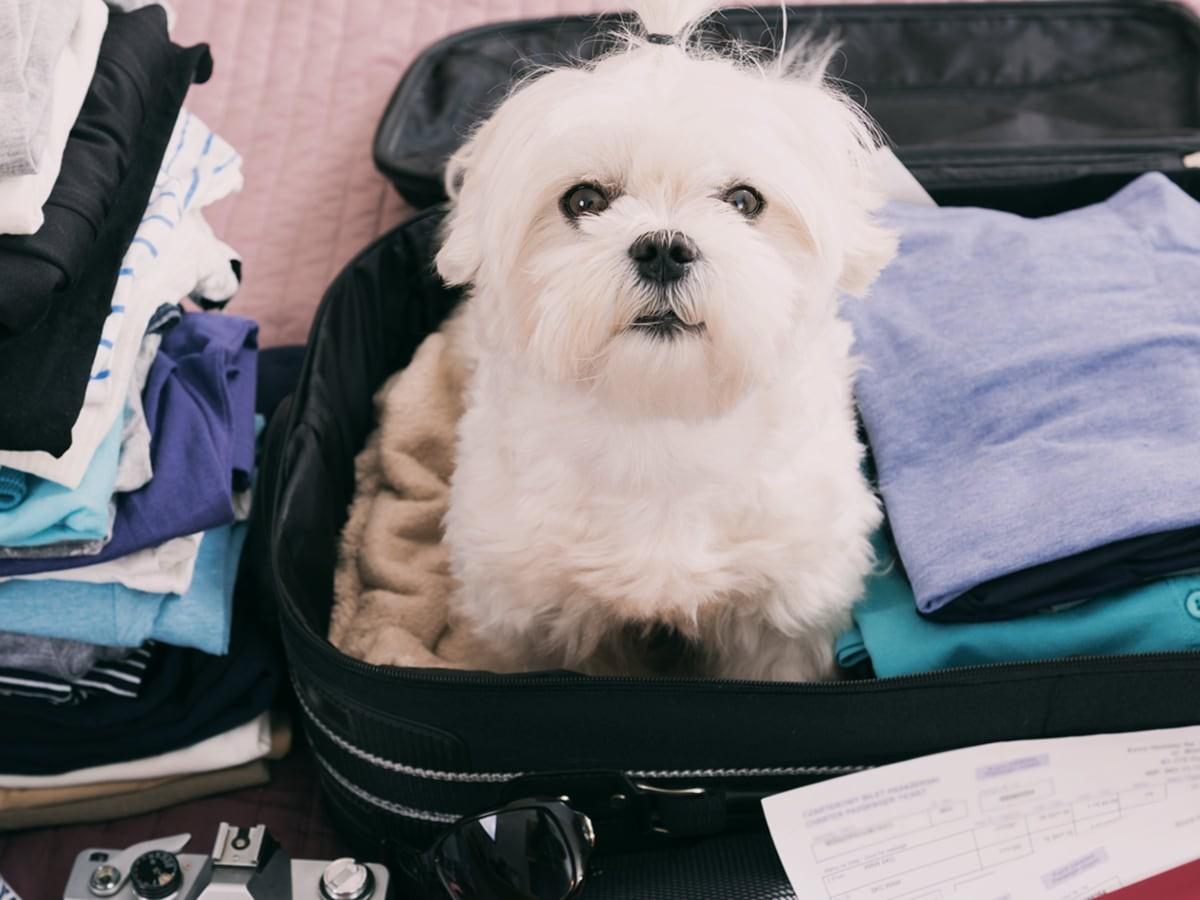
The AKC suggests bringing your dog's food, a favorite toy, and something that smells like you.² Here's a full packing list:
Your dog's usual food, plus extra in case your travel plans change
Medications, with clear instructions
A comfort item, like a worn T-shirt or blanket that smells like home
A favorite toy
ID, including a collar with an ID tag and up-to-date microchip information
5. Leave Clear Instructions and Emergency Contacts
Even with the best sitter or kennel, accidents can happen. Your dog might land on a paw the wrong way while playing. Having a plan in place helps your dog get care quickly.
According to the AKC, you should leave detailed feeding instructions, medication directions, and a list of your dog's vaccinations and dates.⁵ Also:
Tell your vet you'll be away. Let your vet know a sitter is authorized to care for your dog.
Fill out a vet authorization form. Explain what care your dog can receive if you can't be reached, including a spending cap for emergencies.
List emergency contacts. Include at least one trusted person who can make decisions about your dog.
Ask about the kennel's vet. Find out whether the kennel has a vet on staff or works with a local clinic.
What Should You Expect While Your Dog Is Boarded?
Many dogs that aren't used to boarding eat or drink less during their first few stays, and that's often normal, according to VCA.¹ Bringing your dog's own bed, blanket, or toys can help them feel more comfortable. If your dog gets very stressed, talk to your vet before the next trip.
If boarding isn't the right fit, a sitter in your home may be less stressful for some dogs. Here are more tips for pet care while you're on holiday.
–By Nicolas Angione, founder and head dog trainer at Hope Gables Canine
Frequently Asked Questions
What vaccines does my dog need for boarding?
Most boarding kennels require proof of rabies, distemper, parvovirus, and Bordetella (kennel cough) vaccines.¹ Some also require the canine influenza vaccine. Requirements vary, so ask your kennel or sitter what they need well before your trip. Bring written proof from your vet to drop-off, since many facilities won't accept your dog without it.
How far in advance should my dog get the Bordetella vaccine?
Plan ahead. Intranasal and oral Bordetella vaccines usually protect within three to five days, but injectable versions need two doses several weeks apart.³ Getting the vaccine on drop-off day won't help much. Check with your vet and kennel a few weeks before your trip so your dog is protected in time.
Is boarding or a pet sitter better for my dog?
It depends on your dog. Social dogs may enjoy a boarding kennel with playtime, while anxious or older dogs may do better with a sitter in your home. A sitter at home may also mean less contact with other dogs. A trial stay or meet-and-greet can help you see which option your dog handles best.
What should I pack for my dog's boarding stay?
Pack your dog's regular food with a little extra, any medications with written instructions, and a comfort item that smells like home. Add a favorite toy, and make sure your dog wears a collar with an ID tag. Include your vet's contact information and a list of emergency contacts.
Coverage flexibility matters when it comes to helping protect your pet's health. From emergencies to routine wellness visits, the right pet insurance plan and add-ons can help support a wide range of care needs.
With Spot Pet Insurance, pet parents can visit any licensed veterinary clinic in the U.S. or Canada, giving them more freedom to choose the care that works best for their pet. Every plan also includes 24/7 pet telehealth access, so pet parents can video chat with a licensed vet from anywhere. Get a free quote.

Nicolas Angione is the founder and head dog trainer at Hope Gables Canine, based in Fairfield County, CT. Inspired by his own dog's reactive journey and rehabilitation, he left his career behind to become a dog trainer. After years of shadowing other dog trainers in the industry, he started his own practice, which has successfully helped hundreds of dog owners, both domestic and abroad, regain peace and harmony with their dogs. Many of these success stories, dog training tips, and more can be found on their Instagram and YouTube pages.
Barnes, Krista, et al. "Boarding Your Dog." VCA Animal Hospitals, last updated May 8, 2025.
Dodd, Colt. "What to Know and Look for When Boarding Your Dog." American Kennel Club, updated November 11, 2025.
American Kennel Club. "Bordetella Vaccine for Dogs." AKC, updated August 18, 2026.
American Kennel Club. "Dog Flu Shot: Canine Influenza." AKC, updated October 19, 2023.
American Kennel Club. "How to Prep Your House for a Pet Sitter." AKC, updated November 26, 2025.