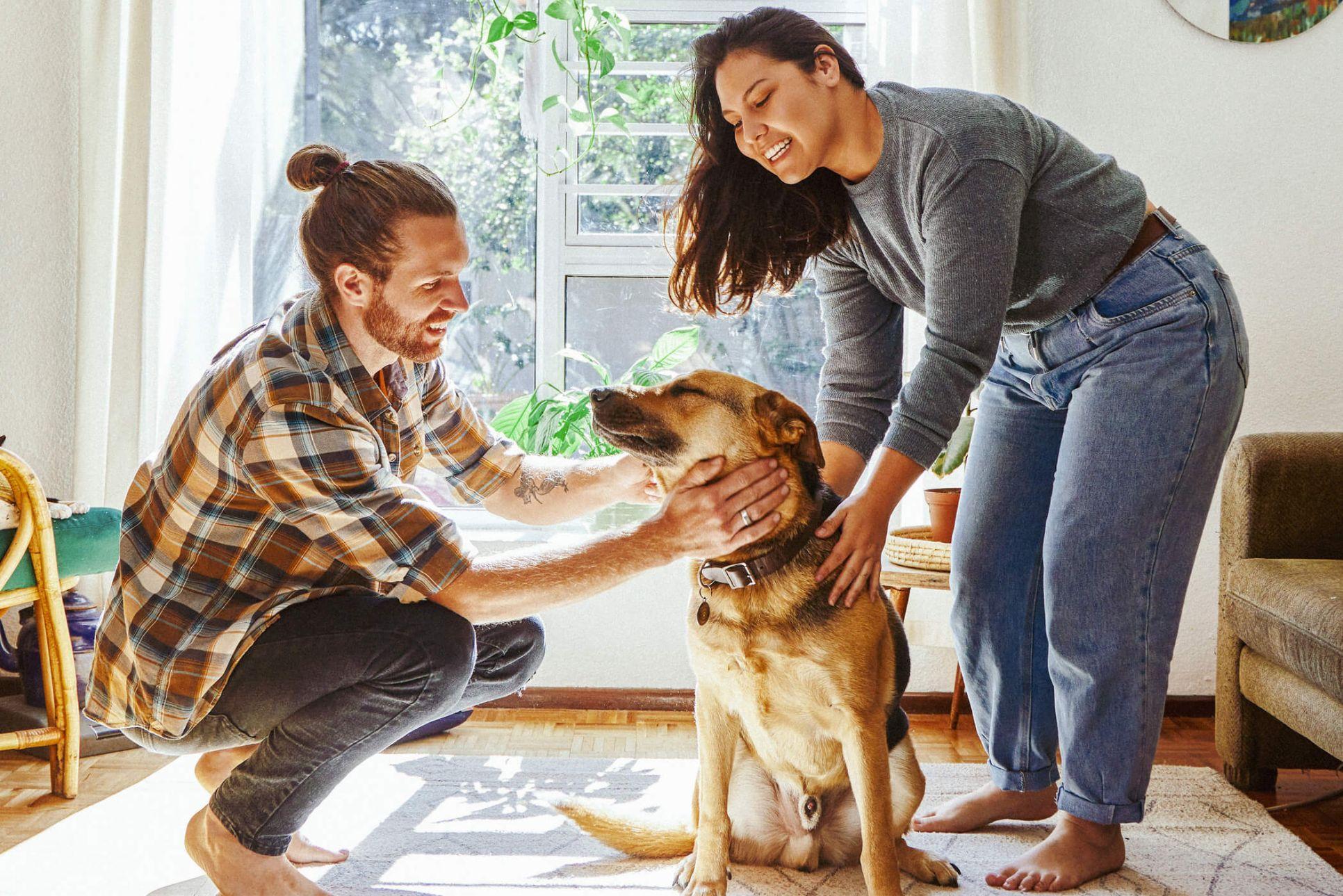
As a dog trainer, one of the most frequently mentioned pain points I hear from clients struggling with their dog at home is this, and I quote:
“My dog listens better to [insert family member’s name] than me…”
Let’s unpack why that happens, and then go over a few strategies to help flip the script so everyone in the household is on the same page.
Dogs & Associative Patterns
Just like children, dogs tend to pick up on which family member they can bend a rule (or two) with, which, in turn, influences how they act around that person in the future. This is also why, during training, a dog may resist one family member’s direction more than another’s.
The person who historically allowed certain behaviors to slide is often the same person the dog struggles to take seriously. That family member will now need to prove, through consistent follow-through, that they’re going to hold their dog accountable to healthier behaviors and patterns in the home.
The “Nope” Marker
One of the most effective ways to shift a dog’s existing association with a family member they don’t take as seriously is to establish a correction marker word, such as “Nope” or “Ah-ah.”
For example, if you ask your dog to “Down” and your dog walks away or chooses to do something else, you can use this marker to communicate that you intend to redirect your dog back into position. Over time, this creates a more reliable response because your dog learns that expectations will be followed through, and not just suggested.
This type of accountability is a healthy way to re-establish clear standards for how you want your dog to respond to you or other members of your family.
Leveraging Treats as a Reward for Better Decisions
Instead of giving your dog a treat “just because,” it’s important that you (or any family member) your dog takes less seriously becomes the one who rewards most consistently when your dog makes a good decision, whether that be choosing the right behavior over the wrong one, or following through on a command in a situation that would’ve previously been challenging.
This shows your dog that they’re being recognized not only for their hard work, but also for their healthier decision-making. The combination of accountability for poor choices and rewarding good choices helps strengthen the bond across the entire household.
In Closing
If you follow the recommendations above, the chances of your dog showing favoritism or ignoring certain family members decrease significantly. With consistency, your dog will begin responding more evenly and respectfully to everyone in the home.
If this resonated and you want help applying it with your dog, reach out anytime: info@hopegablescanine.com 🐕✨
Nicolas Angione is the founder and head dog trainer at Hope Gables Canine, based in Fairfield County, CT. Inspired by his own dog's reactive journey and rehabilitation, he left his career behind to become a dog trainer. After years of shadowing other dog trainers in the industry, he started his own practice, which has successfully helped hundreds of dog owners, both domestic and abroad, regain peace and harmony with their dogs. Many of these success stories, dog training tips, and more can be found on their Instagram and YouTube pages.