Quick Glance
Best size | Small to medium — easier to manage, lift if needed, and transport. |
Key traits to look for | Calm temperament, low-to-moderate exercise needs, adaptable, and affectionate. |
Grooming consideration | Low-shedding or easy-care coats reduce grooming burden. |
Underrated option | Adult/senior rescue dogs — often calmer, already trained, and a wonderful match. |
Avoid | High-energy breeds that require intense daily exercise or strong leash handling. |
Dogs provide seniors with companionship, purpose, and real health benefits — including lower blood pressure, reduced loneliness, and encouragement to stay active. But not every dog is the right match for an older adult. The best dogs for seniors share a few key traits: manageable size, calm energy, adaptability to lower-activity lifestyles, and an affectionate temperament. Here are the top breeds to consider — and some important things to think through before choosing.[1]
What to Look for in a Dog for Seniors
Size: Small to medium dogs are generally easier to manage, lift if needed (for grooming or vet visits), and live comfortably in smaller spaces
Energy level: A dog whose exercise needs align with yours. Some seniors enjoy daily walks; others need a dog happy with shorter outings
Temperament: Calm, gentle, and adaptable — not prone to jumping, pulling, or high-excitement behavior
Grooming needs: Long-haired or heavy-shedding dogs require more maintenance; low-shedding coats are easier to manage
Health: Smaller dog breeds tend to live longer. Consider the financial and emotional commitment of a dog's expected lifespan
Best Dog Breeds for Seniors
Cavalier King Charles Spaniel
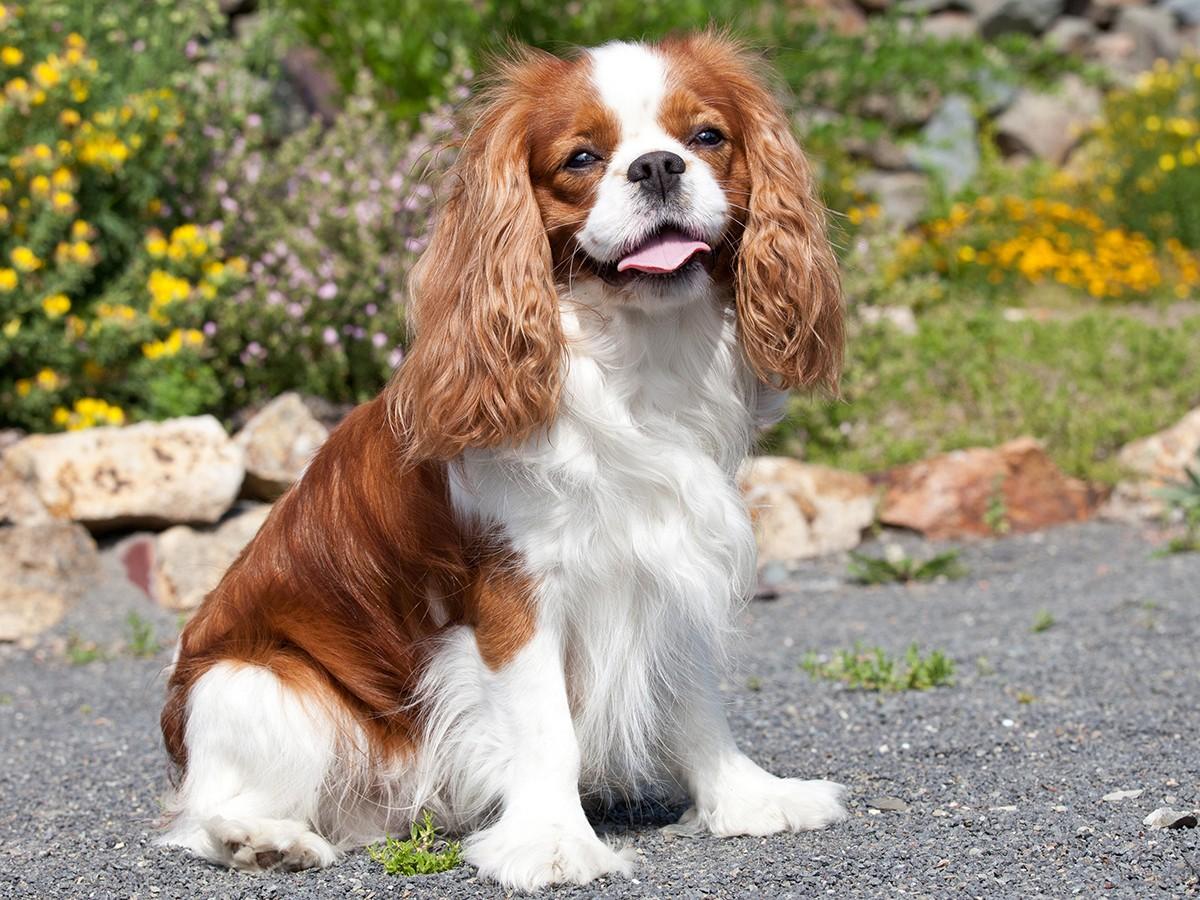
One of the most popular choices for seniors — and for good reason. Cavaliers are gentle, adaptable, and deeply affectionate without being demanding. They're happy with moderate daily walks but equally content curled up on the sofa. They thrive on human company and don't do well left alone for long periods. Note: the breed has a predisposition to heart disease, so pet insurance is particularly worth considering.[2]
Shih Tzu
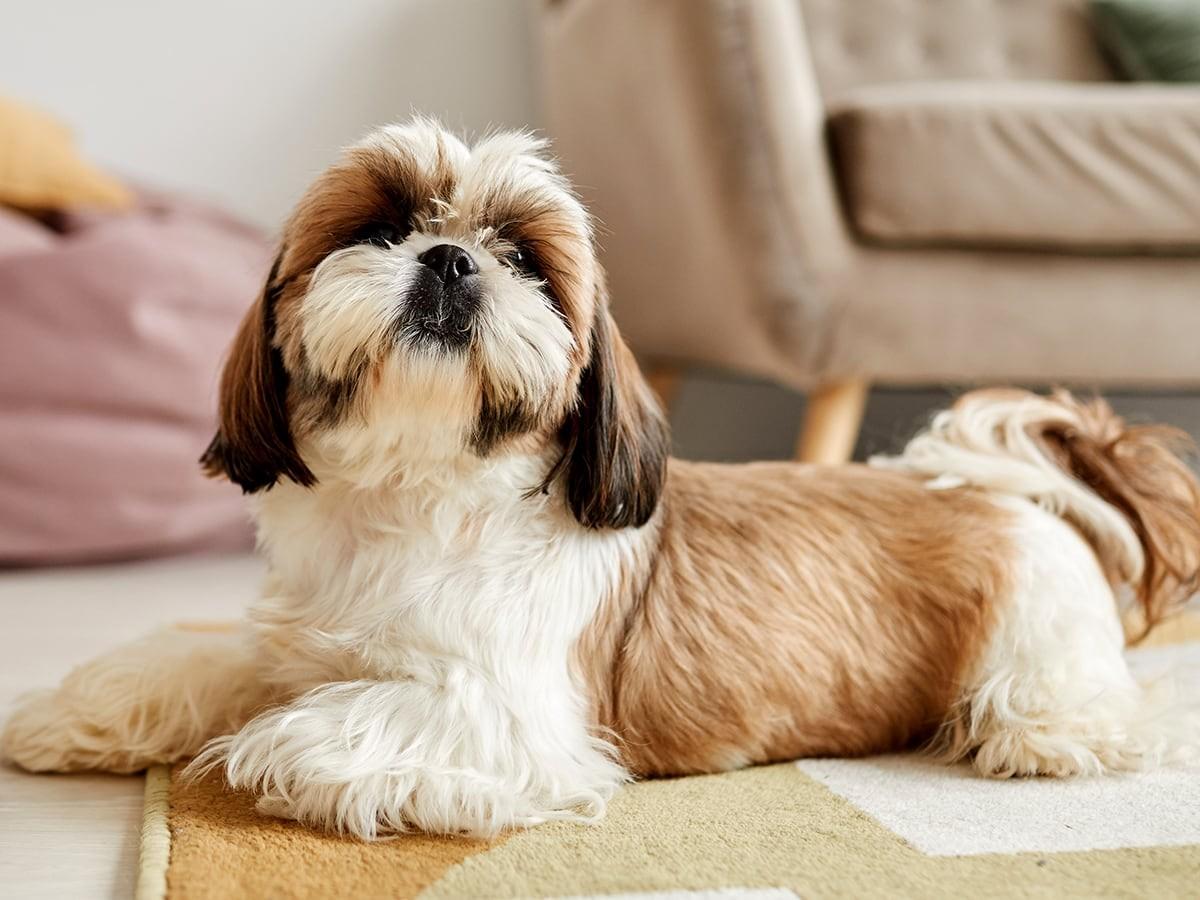
Calm, friendly, and well-suited to apartment or house living. Shih Tzus don't need much exercise, are naturally low-energy indoors, and are known for being gentle and affectionate with all types of families. Their coats require regular brushing, though many owners opt for a shorter grooming trim to reduce maintenance.[2]
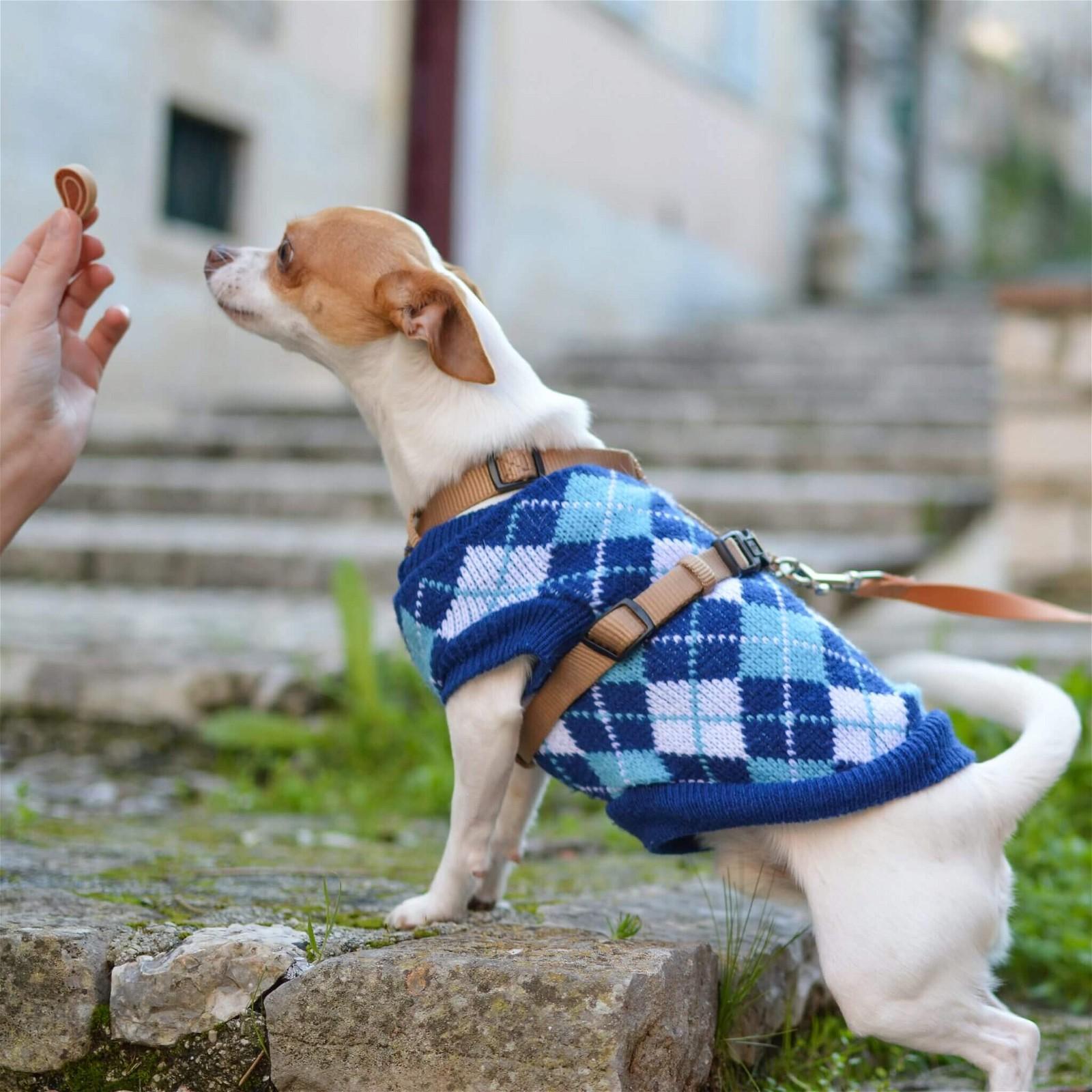
Maltese
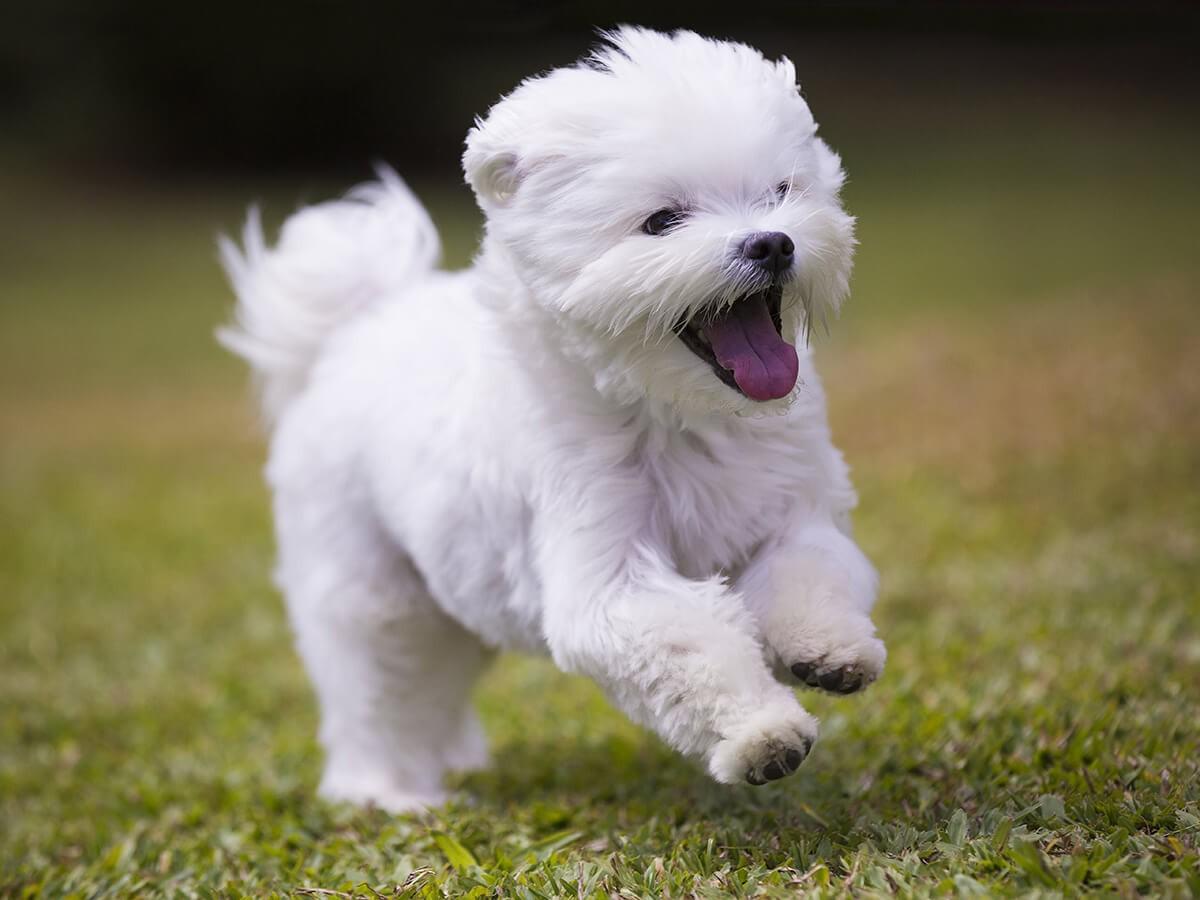
Small, gentle, and highly adaptable. Malteses weigh under 7 pounds and require minimal exercise, making them one of the most manageable breeds for seniors. They're loving and alert without being high-strung. Like the Shih Tzu, coat care is a consideration — daily brushing or regular professional grooming is part of the commitment.
Poodle (Miniature or Toy)
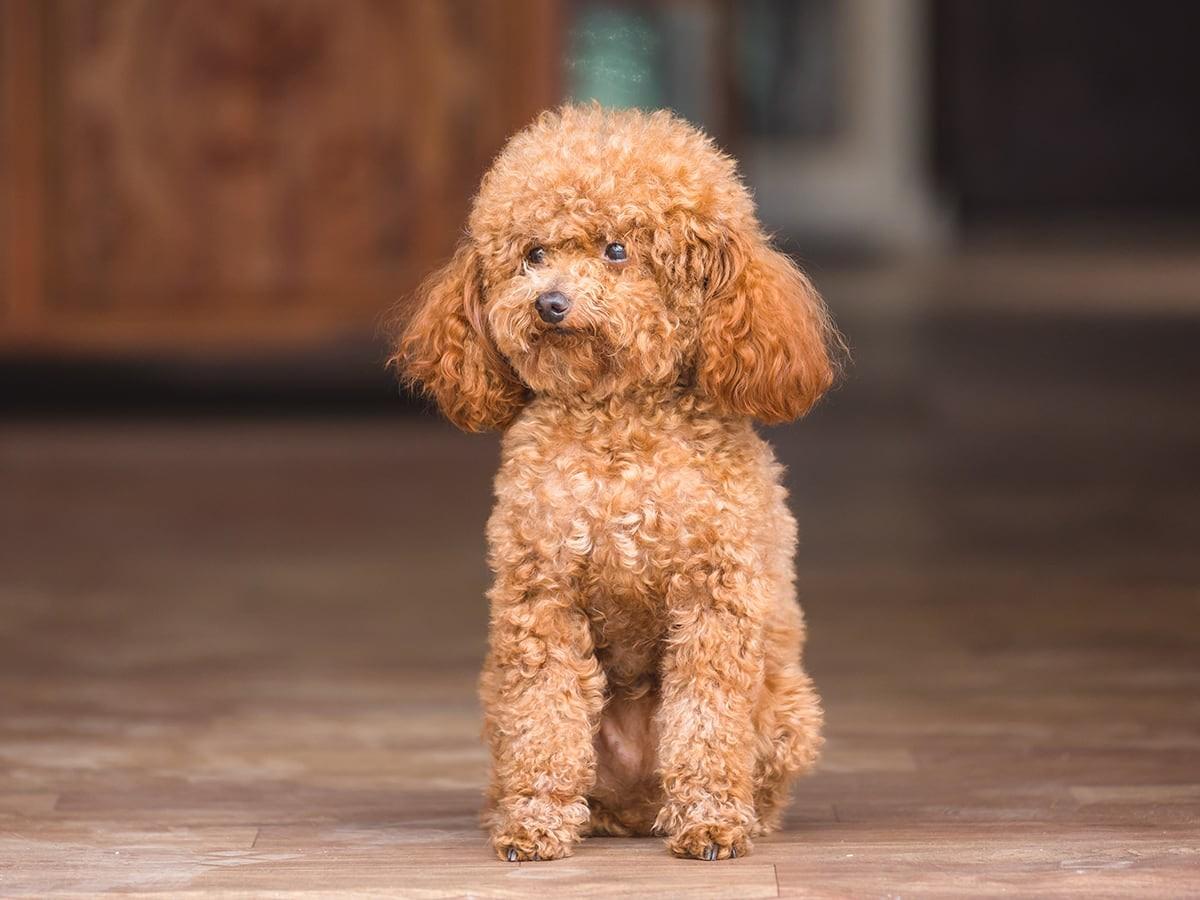
Highly intelligent, easy to train, and low-shedding — a major practical advantage for seniors. Poodles are friendly, adaptable to different energy levels, and come in sizes to suit different preferences. Regular grooming appointments are needed for their curly coats.[1]
Bichon Frisé
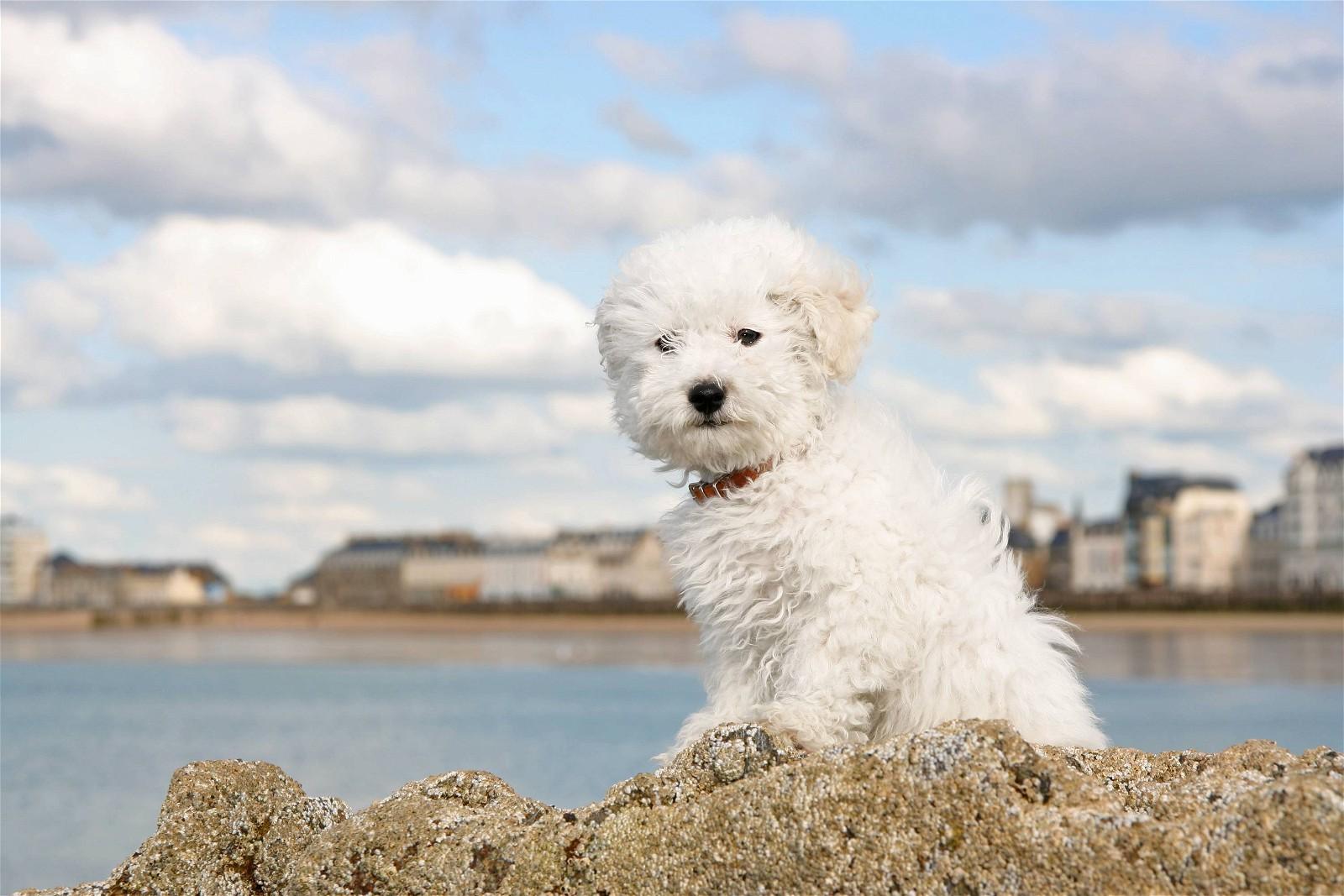
Cheerful, gentle, and hypoallergenic — a great option for seniors with allergies. Bichons are small, affectionate, and get along well with other pets and people. They're sturdy for their size and enjoy a moderate amount of play and walking.
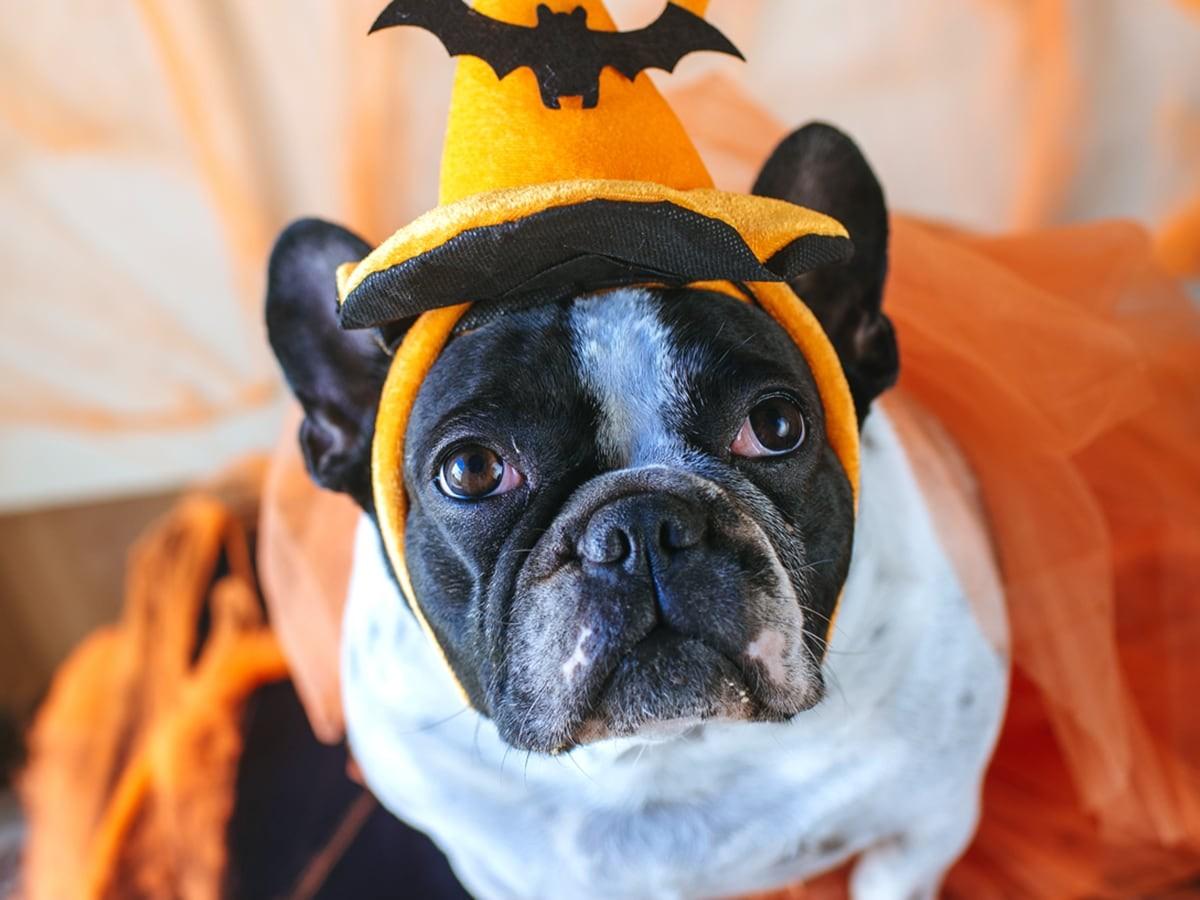
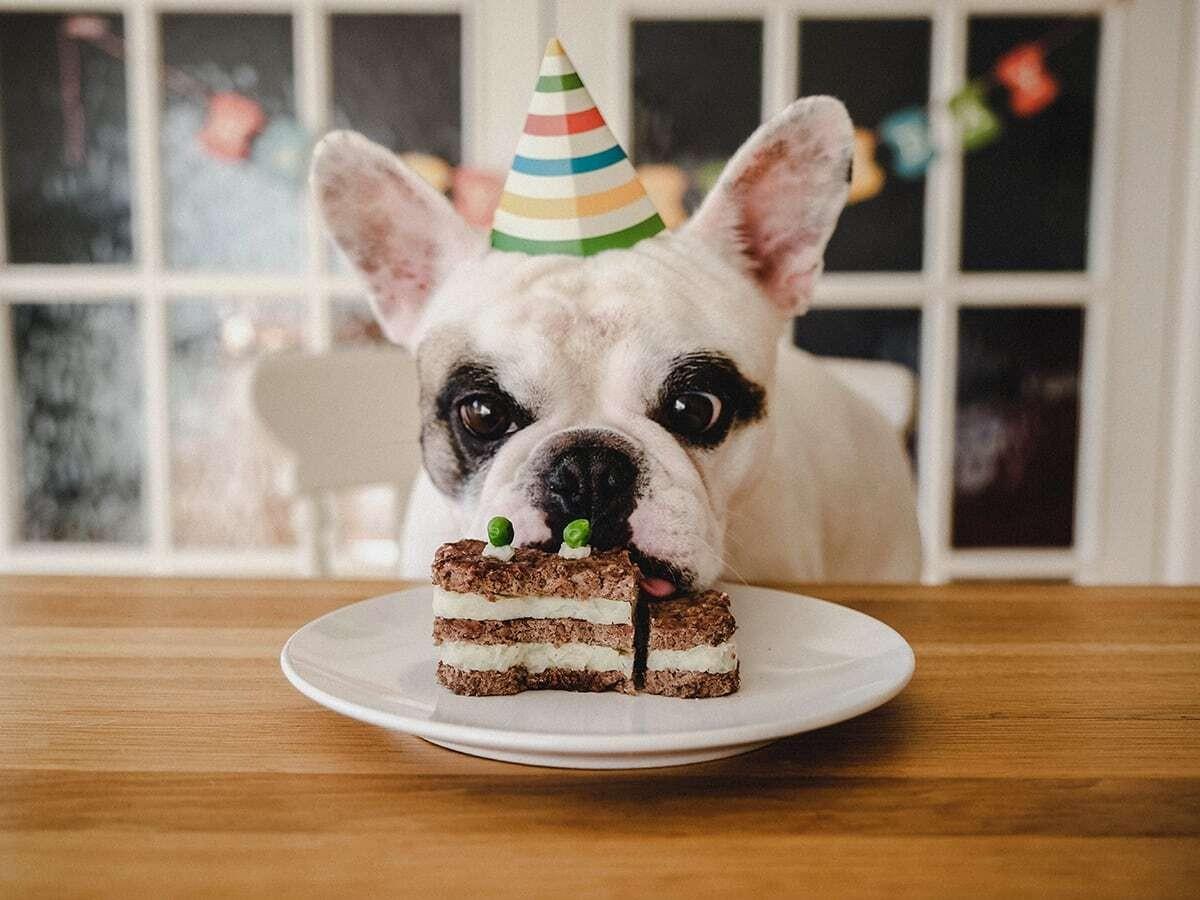
French Bulldog
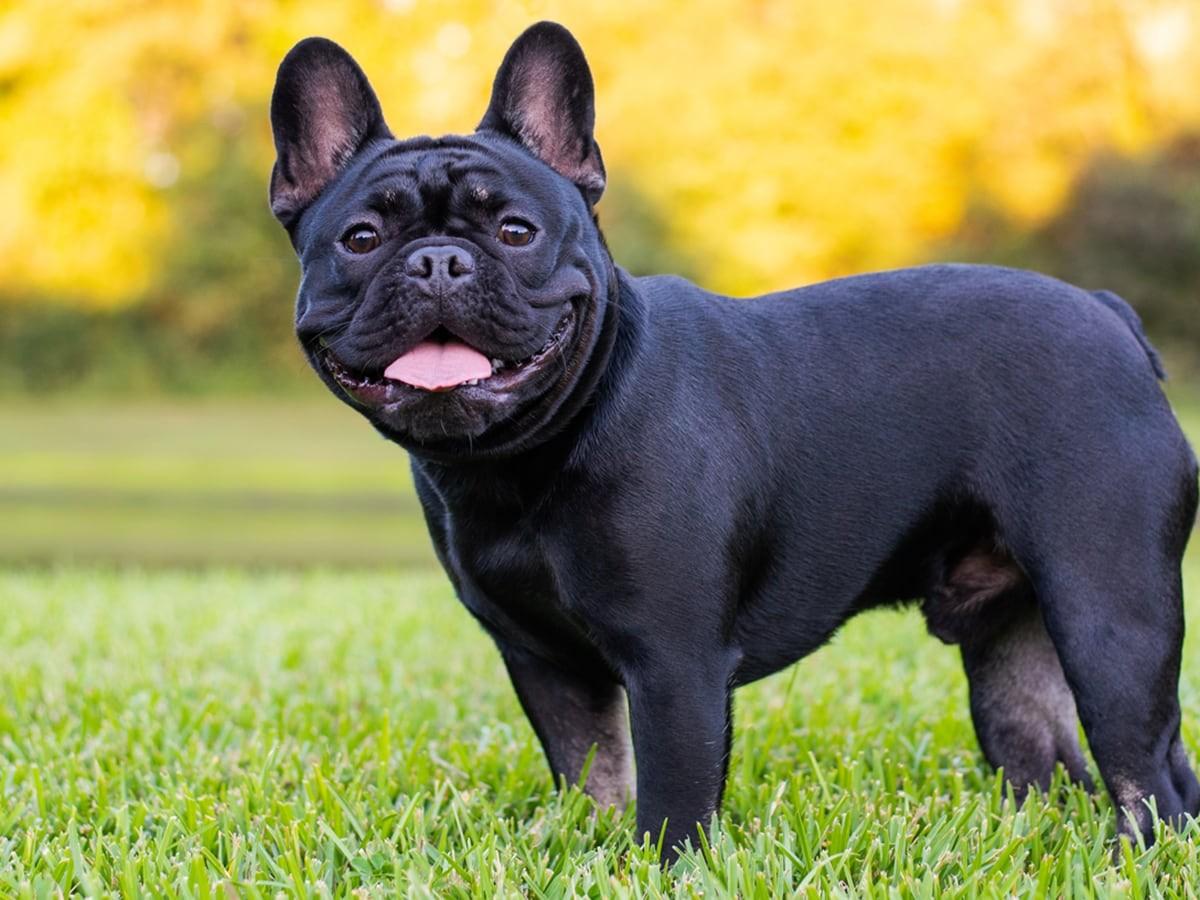
Calm, affectionate, and low-exercise — Frenchies are content with short walks and plenty of indoor time. They're devoted companions who adapt well to apartment living. Be aware that their brachycephalic anatomy means they can develop breathing and overheating issues, and the breed can have significant veterinary costs.
Pembroke Welsh Corgi
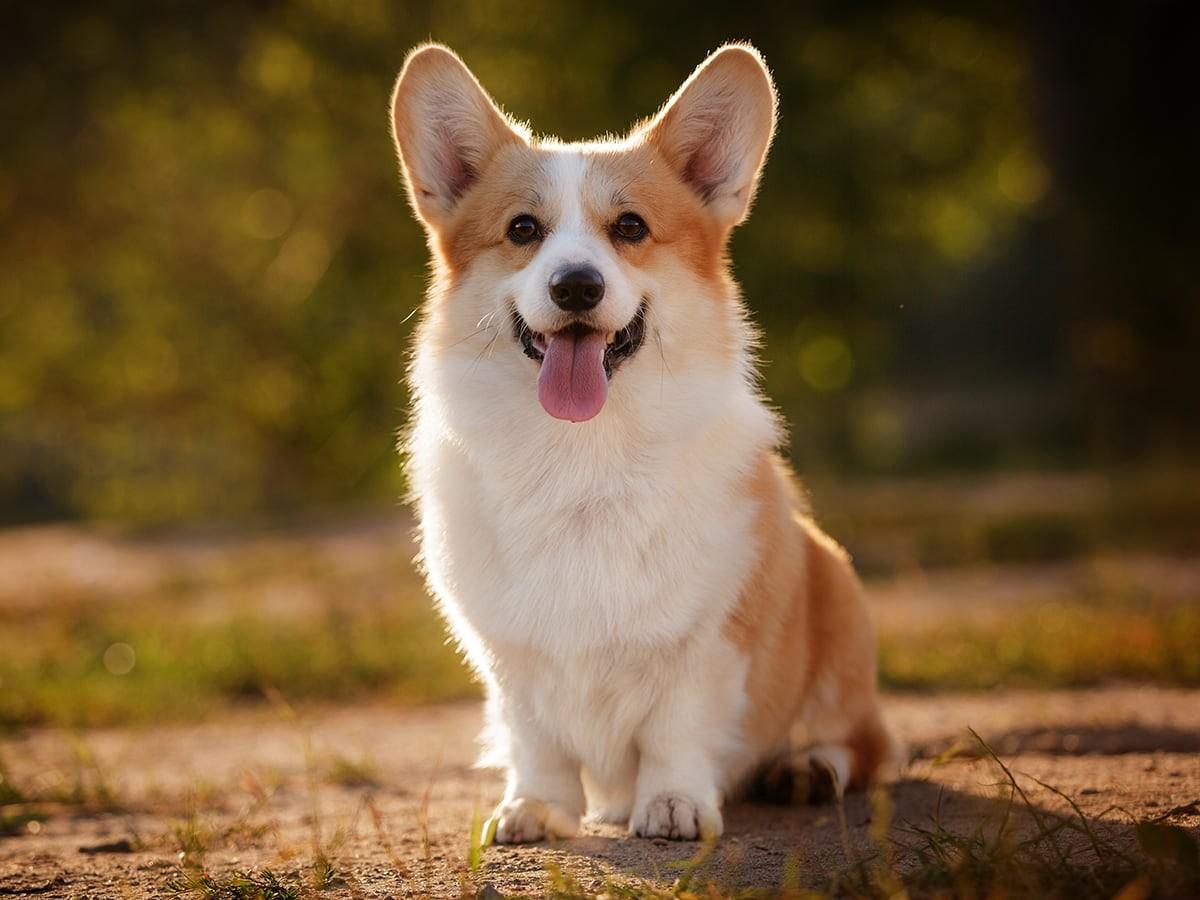
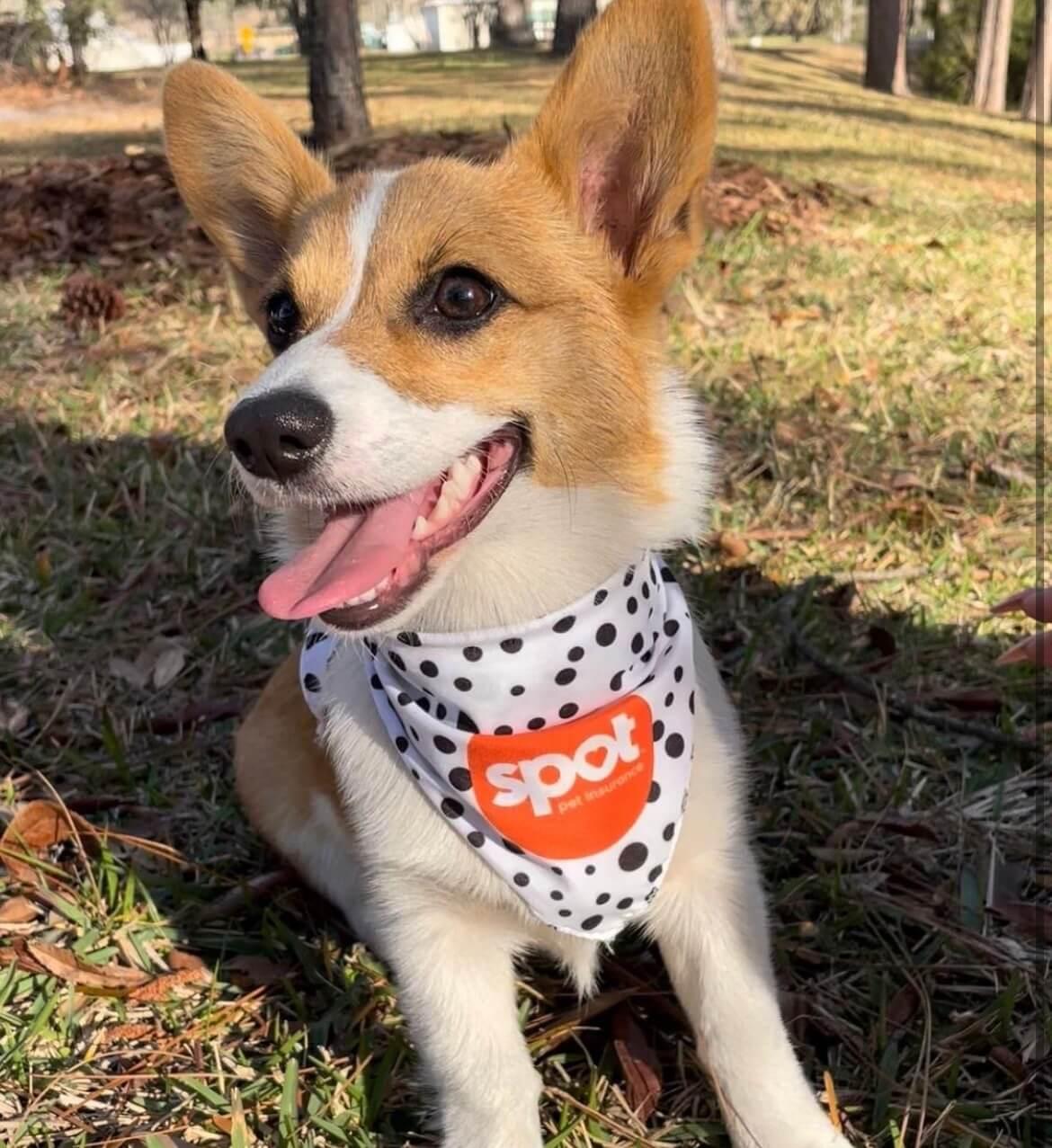
For seniors who want a slightly larger dog with more energy, the Corgi offers an excellent balance. They're loyal, affectionate, and smart — but they do need daily walks and mental stimulation. Good for active seniors.
Consider Adopting a Senior Dog
One of the most underrated options for older adults is adopting an adult or senior dog from a shelter. Older dogs are typically calmer, already house-trained, past the destructive puppy phase, and often desperately in need of homes. They tend to adapt beautifully to quieter households and bond deeply with their new families.[1]
Senior-to-senior adoption programs exist at many shelters specifically to match older adults with older dogs. It's worth exploring.
Frequently Asked Questions: Best Dogs for Seniors
What is the easiest dog to take care of for a senior?
The Maltese, Shih Tzu, and Cavalier King Charles Spaniel consistently rank among the easiest dogs for seniors — small, calm, low-exercise, and highly affectionate. The best choice ultimately depends on your lifestyle, activity level, and whether you have allergies.
Are small dogs better for seniors?
Generally, yes — small dogs are easier to lift, handle on a leash, and manage in smaller living spaces. But temperament and energy level matter more than size. A high-energy small dog is harder to manage than a calm medium-sized one.
Should seniors get puppies or adult dogs?
Adult or senior dogs are usually the better match. They're past the high-energy, destructive puppy phase, are often already trained, and are easier to integrate into a quieter household. Puppies require significant time, energy, and training that may not align with a senior's lifestyle.

We’re pet parents first—and writers, marketers, and product developers by trade—combining lived experience with industry expertise in everything we create.
1. American Kennel Club: Best Dogs for Seniors. https://www.akc.org. Accessed April 2026.
2. PetMD: Best Dogs for Senior Citizens. https://www.petmd.com. Accessed April 2026.