Quick Glance
What they are | Small dogs with soft, rounded features resembling stuffed animals — not one specific breed. |
Most popular types | Shichon (Bichon Frise x Shih Tzu), Poochon (Poodle x Bichon), Maltipoo (Maltese x Poodle), Schnoodle (Schnauzer x Poodle). |
Grooming | Low-shedding but requires regular brushing and professional grooming every 6–8 weeks. |
Temperament | Generally friendly, gentle, and adaptable — good for families and seniors alike. |
Cost | $1,000–$3,000+ from a breeder; look for reputable breeders with health-tested parents. |
What Is a Teddy Bear Dog?
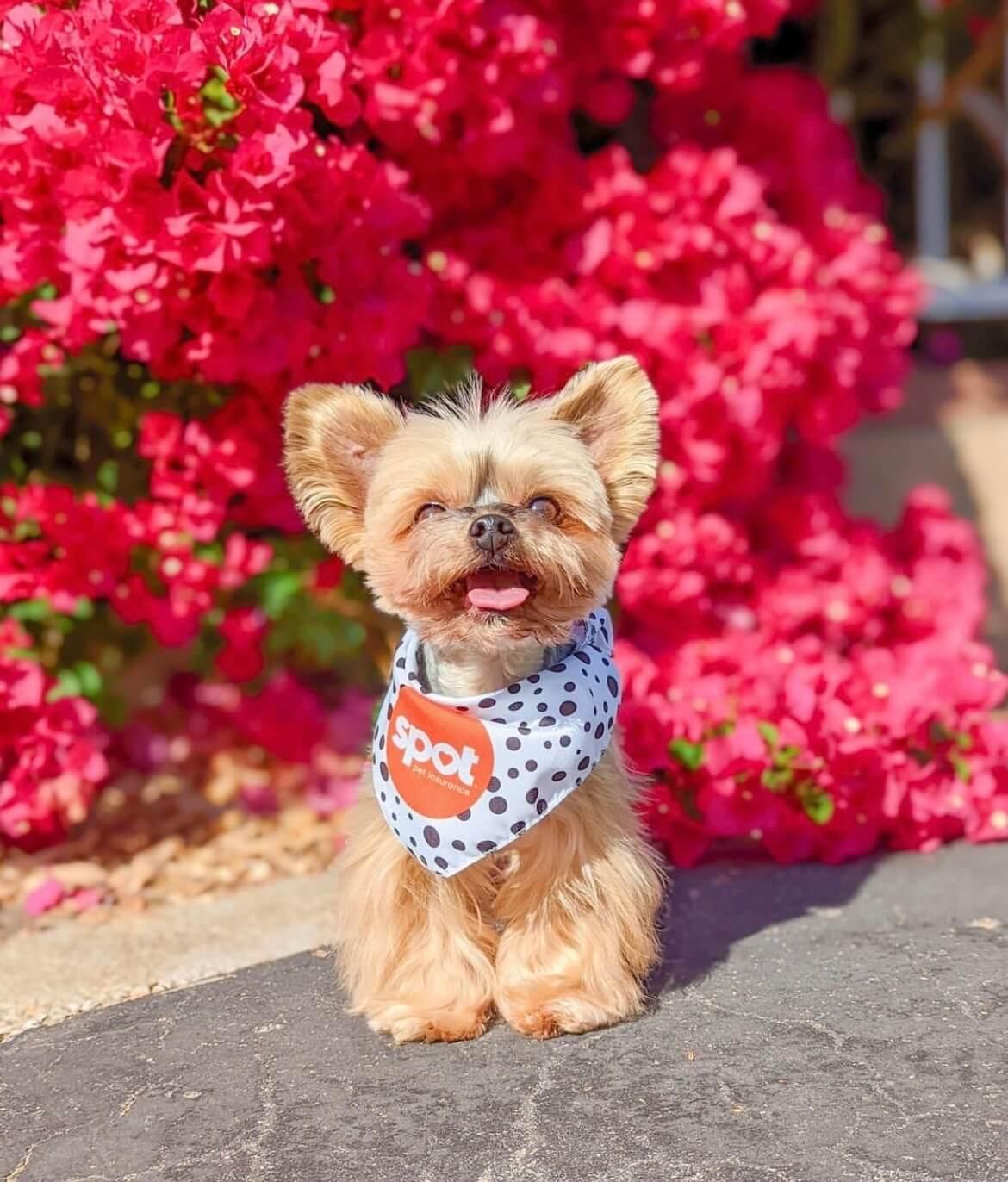
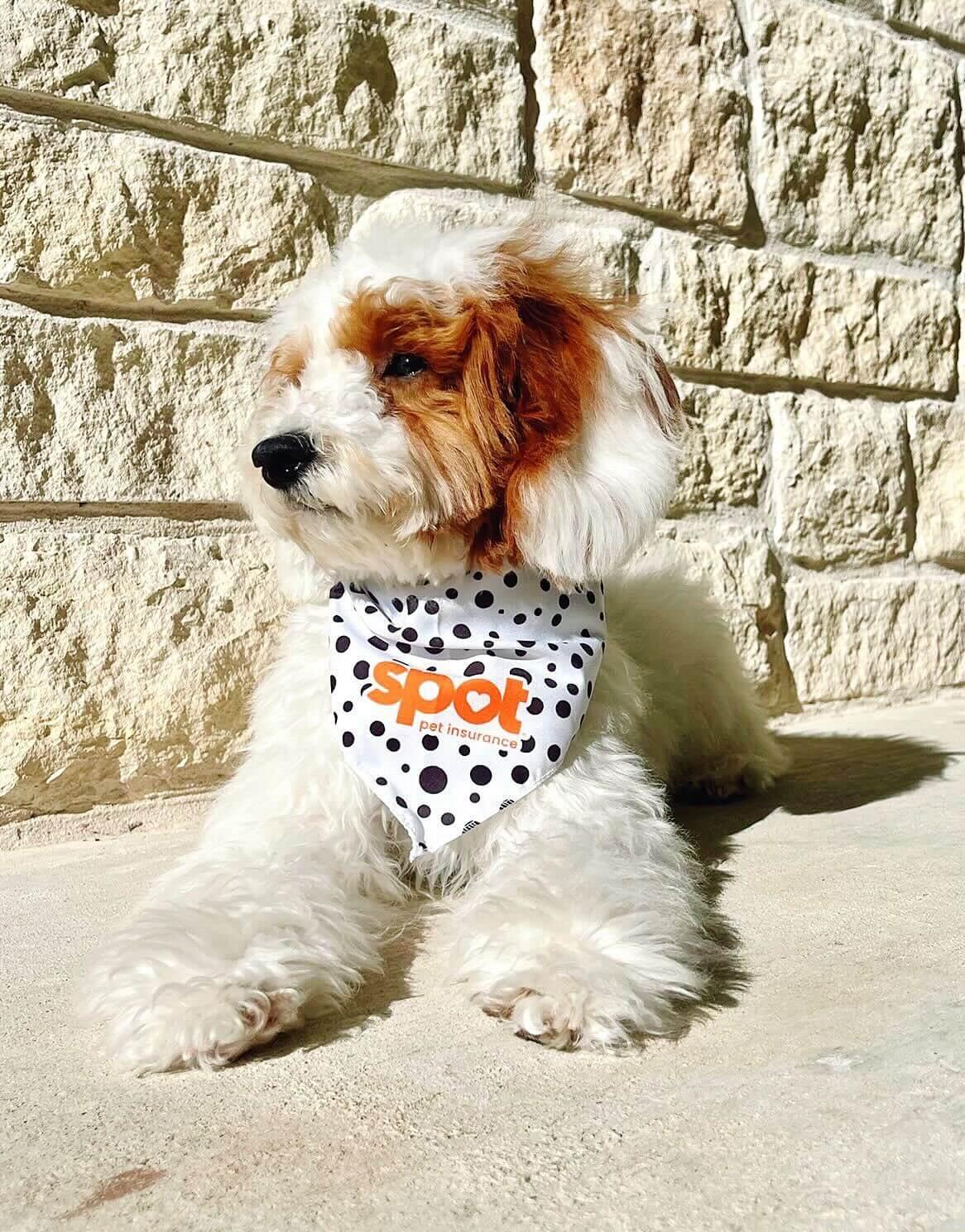
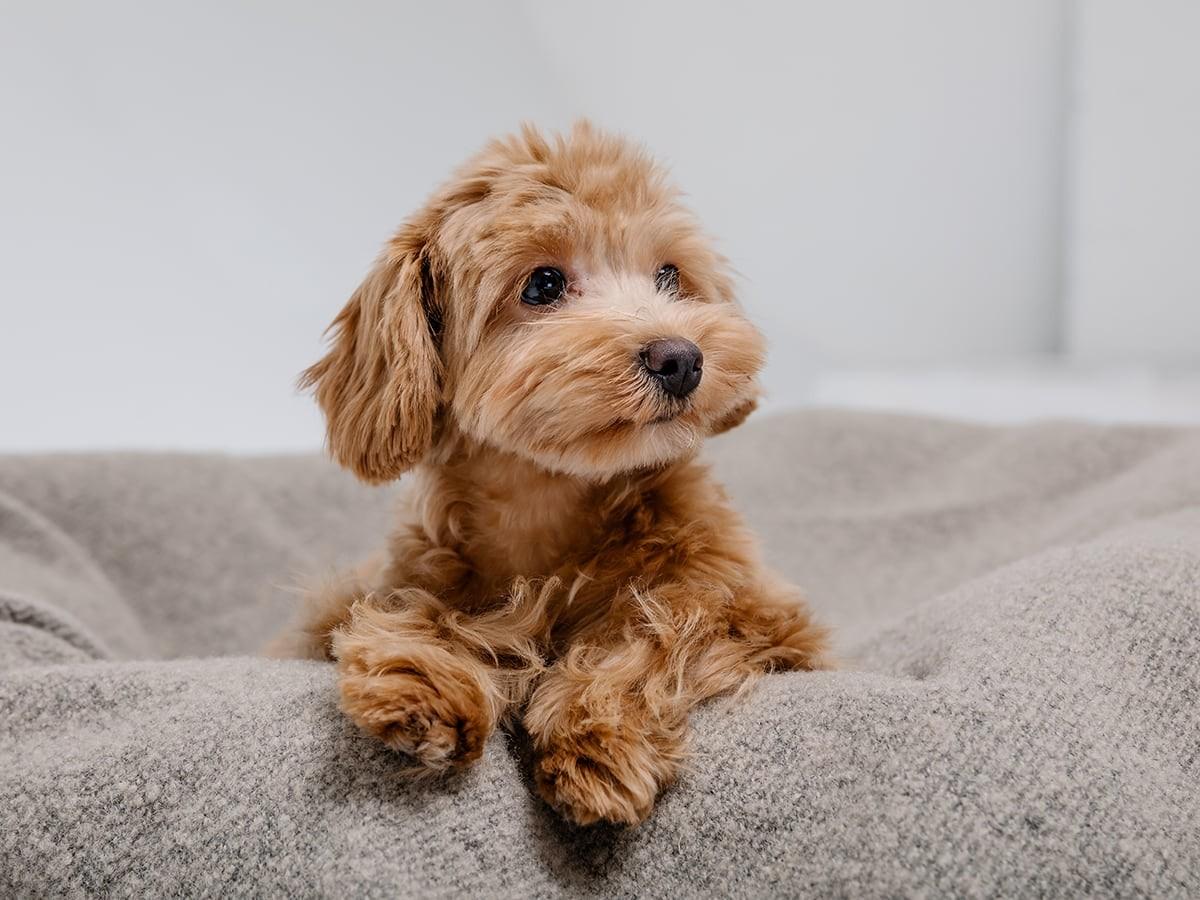
"Teddy bear dog" isn't a registered breed — it's a colloquial term used to describe small dogs that look like plush stuffed animals: soft, fluffy coats, large dark eyes, rounded heads, and compact bodies. The term has been applied to everything from purebred Bichon Frisés to a growing number of designer crossbreeds specifically bred for that stuffed-animal look.
The concept took off in the late 1990s and 2000s as breeders began intentionally crossing small, fluffy breeds to produce puppies with perpetually puppy-like appearances. Today, a wide variety of mixes fall under the teddy bear umbrella.[1]
Most Popular Teddy Bear Dog Breeds
Shichon (Bichon Frisé x Shih Tzu)
The original teddy bear dog and arguably the most popular. Shichons have soft, wavy coats, rounded faces, and a gentle, adaptable temperament. They're low-shedding, typically 9–15 pounds, and well-suited to apartments and families with children alike. Also called Zuchons.[1]
Poochon (Poodle x Bichon Frisé)
A curly-coated crossbreed that combines the intelligence of the Poodle with the gentle nature of the Bichon. Low-shedding and often suitable for people with mild dog allergies. Typically 6–12 pounds.
Maltipoo (Maltese x Poodle)
One of the most popular small designer breeds. Maltipoos are affectionate, playful, and typically weigh 5–20 pounds depending on whether a toy or miniature Poodle was used. Low-shedding, though coat texture varies significantly from puppy to puppy.
Schnoodle (Schnauzer x Poodle)
Available in multiple sizes (depending on parent Schnauzer and Poodle size), Schnoodles are loyal, playful, and low-shedding. They tend to be a little more alert and energetic than some other teddy bear mixes.
Shorkie (Yorkshire Terrier x Shih Tzu)
Tiny and affectionate, Shorkies typically weigh 7–15 pounds. They can have feisty Yorkie personality mixed with the calm Shih Tzu nature, making each individual quite different.
Cavapoo (Cavalier King Charles Spaniel x Poodle)
Increasingly popular — combines the gentle, loving nature of the Cavalier with the intelligence and low-shedding coat of the Poodle. Usually 9–25 pounds. Tends to be very gentle and adaptable.
What Is It Like to Own a Teddy Bear Dog?
Grooming
Despite their low-shedding reputation, teddy bear dogs are not low-maintenance. Their soft, continuously-growing coats mat easily and require daily or every-other-day brushing, plus professional grooming every 6–8 weeks. Budget $50–$100 per grooming appointment as a recurring cost.[1]
Temperament
Most teddy bear mixes are bred for companionship and are typically gentle, friendly, and adaptable. They tend to do well with children, other pets, and in various living situations. Socialization early in puppyhood is still important — no dog is born with perfect manners.
Health
Mixed-breed teddy bear dogs may benefit from hybrid vigor, but they can also inherit health issues from either parent breed. Common concerns include dental disease (very common in small dogs), patellar luxation (loose kneecaps), and eye conditions. Ask any breeder about health testing in parent dogs.[1][1]
Mixed-breed teddy bear dogs may benefit from hybrid vigor, but they can also inherit health issues from either parent breed. Common concerns include dental disease (very common in small dogs), patellar luxation (loose kneecaps), and eye conditions. Ask any breeder about health testing in parent dogs — and consider pet insurance while your dog is still young and healthy, before any breed-specific conditions become pre-existing exclusions.[1]
Cost
Teddy bear puppies from reputable breeders typically cost $1,000–$3,000 or more. Be cautious of unusually low prices — they often signal a puppy mill operation. Responsible breeders health-test parent dogs, allow you to visit, and provide a health guarantee.[1]
Frequently Asked Questions: Teddy Bear Dogs
Are teddy bear dogs hypoallergenic?
No dog is truly hypoallergenic, but many teddy bear breeds and mixes are low-shedding, which reduces the amount of dander they distribute. Poodle mixes are among the most commonly recommended for people with mild dog allergies. If allergies are a concern, spend time with the specific dog or breed before committing.
How big do teddy bear dogs get?
Most teddy bear mixes are small dogs, typically weighing between 6–20 pounds, depending on the specific cross. Size can vary even within the same litter, depending on which parent traits are expressed.
Are teddy bear dogs good for first-time dog owners?
Generally, yes — most teddy bear breeds and mixes are friendly, adaptable, and not overly demanding in terms of exercise. Grooming is the main commitment to plan for. The main challenge is finding a responsible breeder rather than a puppy mill.

We’re pet parents first—and writers, marketers, and product developers by trade—combining lived experience with industry expertise in everything we create.
1. American Kennel Club: Teddy Bear Dog Breeds. https://www.akc.org. Accessed April 2026.